Sixty Joyless De-Britished Uncrowned Commonpoor Years (1949-2009)
 Vice-Regal Saint: Remembering Paul Comtois (1895–1966), Lt.-Governor of Québec
Britannic Inheritance: Britain's proud legacy. What legacy will America leave?
English Debate: Daniel Hannan revels in making mince meat of Gordon Brown
Crazy Canucks: British MP banned from Canada on national security grounds
Happy St. Patrick's: Will Ireland ever return to the Commonwealth?
Voyage Through the Commonwealth: World cruise around the faded bits of pink.
No Queen for the Green: The Green Party of Canada votes to dispense with monarchy.
"Sir Edward Kennedy": The Queen has awarded the senator an honorary Knighthood.
President Obama: Hates Britain, but is keen to meet the Queen?
The Princess Royal: Princess Anne "outstanding" in Australia.
H.M.S. Victory: In 1744, 1000 sailors went down with a cargo of gold.
Queen's Commonwealth: Britain is letting the Commonwealth die.
Justice Kirby: His support for monarchy almost lost him appointment to High Court
Royal Military Academy: Sandhurst abolishes the Apostles' Creed.
Air Marshal Alec Maisner, R.I.P. Half Polish, half German and 100% British.
Cherie Blair: Not a vain, self regarding, shallow thinking viper after all.
Harry Potter: Celebrated rich kid thinks the Royals should not be celebrated
The Royal Jelly: A new king has been coronated, and his subjects are in a merry mood
Victoria Cross: Australian TROOPER MARK DONALDSON awarded the VC
Godless Buses: Royal Navy veteran, Ron Heather, refuses to drive his bus
Labour's Class War: To expunge those with the slightest pretensions to gentility
100 Top English Novels of All Time: The Essential Fictional Library
BIG BEN: Celebrating 150 Years of the Clock Tower
Showing posts with label Flags and Heraldry. Show all posts
Showing posts with label Flags and Heraldry. Show all posts
Monday, 30 March 2009


Sunday, 14 September 2008
Argument 4: Pomp and Ceremony
When it comes to elevated spectacle, the republicans are hopelessly out of their depth.
The Aesthetic Sphere: The lares, penates, processions, titles, ranks and relics of our symbolic Crown hollow the ordinary and lift us from the drudgery of the humdrum.
Relevant Quote: "If your job is to leaven ordinary lives with elevating spectacle, be elevating or be gone." - George F. Will
Related Concepts: Pomp, Pageantry, Patriotism, Circumstance, Heraldry, Ritual, Grandeur, Splendour, Trappings, Symbols.
Previous Posts: In Defence of Pomp; The Decent Draperies of Life; From Honours to Merit Badges
Because when it comes to comparing the binding, defining and inspiring power of the institutions of Great Britain, power that is indissolubly linked with the pomp and ceremony of the British Crown, and its associated grandeur, history, honours, titles and ranks; with the embryonic institutions of a shiny new republic, which is without history and devoid of any intrinsic meaning or merit, and which explicitly reject the ties that bind them to their predecessors and counterparts; republicans are dead in the water, and they know it.
Perhaps that is why some have whispered in favour of restoring knighthoods! I have never understood this inclination by some who desire to see the backside of monarchy but want to keep its colours, who don't mind holding onto the titles, heraldry and processions of our inheritance that have been operative throughout our history, yet would gladly see the Royal connection disappear.
This is a critical point, for if the fact and ceremony of the historical and, particularly, the Royal associations are removed and alienated from these institutions, honours and privileges; they shall cease to have the same fundamental meaning and force, and sense of honour, symbolism and gravitas. Removal of the Royal would have the most undesirable consequences, in terms of a dilution of the impact and intrinsic power, merit and meaning imputed to their continued existence.
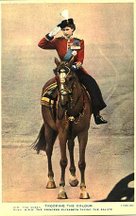
The bottom line is that monarchy offers a more attractive presentation of state. Receiving a knighthood is a real honour. Trooping the Colour and Changing the Guard are fascinating spectacles. The swearing-in of a new governor-general is a simple, moving and dignified ceremony, there is no preaching from the pulpit, just the steady grace of an impartial Crown. And the investiture of a new monarch can be a once-in-a-lifetime overtly religious experience, though mass secularisation and democratisation will no doubt make future coronations a less powerful visual expression than in the past, if they are not eventually discarded altogether. One wonders if we are headed for banality whether we choose to or not.
Read the full article >>
Tuesday, 3 June 2008
New Zealand's Changing Standards
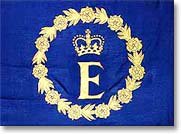
A new Vice-Regal blue flag — with the Shield of the New Zealand Coat of Arms surmounted by a Royal Crown in the centre — will be flown for the first time at a ceremony at Government House Auckland on 5 June and at Government House Wellington on 17 June.


Read the full article >>
Tuesday, 22 April 2008
The Queen Mother Memorial Gates
Prince Charles as The Duke of Rothesay*, accompanied by The Duchess of Rothesay, unveiled the Queen Mother Memorial Gates at Glamis Castle yesterday. 

Read the full article >>
Monday, 30 July 2007
The British Empire Building
I was in New York City during the past week, enjoying the traditional Catholic festivities of a rich friend's wedding. (I like how the rich live - I like how I live when I'm with them). It was quite literally (and figuratively) a moveable feast in the vicinity of Manhattan's midtown, where hundreds of us were chaperoned from location to location on coaches equipped with porters and champagne.  It was on the way to this moveable feast and the opulent Cathedral Mass that preceded it, when I happenstanced across the British Empire Building, which was established in 1933 to showcase the culture, commerce and industries of the British Commonwealth. I was quite startled to come across it, as there's no evidence of anglophilia in the area to prepare the passerby, just the upscale shops of 5th Avenue.
 By the way, if you are ever in New York, be sure to have lunch at The Boathouse in Central Park where you can wine the afternoon hours away watching the Gondolas and row boats float by. Whatever you do, don't deprive yourself of your dignity and be a tourist. Do what I do and pretend you're a New Yorker. Go to all the best bars and lounges. Take the subway everywhere. Go to St. Patrick's on Sunday. Take in the history, the great monuments and the fabulous museums, but make it look like you're visiting for the umpteenth time. Even offer to provide directions to people who look lost and stupid. I'm proud to say that looking lost and stupid only happened to me once while in New York - it was when I passed the British Empire Building.
Read the full article >>
Tuesday, 9 January 2007
The Old Eighteen
Mocked is the child that struggles into adolescence and makes uncertain way towards maturity, adulthood and acceptance. Laurier's laughable "Tin Pot Navy" was mercilessly scorned in its 1910 infancy, yet the RCN rose to be the third largest navy in the world by the end of the Second World War. And so it was with the "Old Eighteen", the first class of accepted Gentlemen Cadets, eighteen in number, who entered the Royal Military College of Canada on June 1, 1876. The cadets were ridiculed by a few politicians and a minority in the Press as "Mackenzie's Pets", referring to the Prime Minister, Alexander MacKenzie, who took a personal interest in establishing RMC. To some it appeared transparently absurd that these 18 cadets could make any meaningful difference to the defence of vast, militarily tiny Canada.
 A tradition of RMC is that every new Cadet must learn the names of the original class pictured here above in front of the "Old Stone Frigate":
1. AGG Wurtele, 2. HC Freer, 3. HE Wise, 4. WM Davis, 5. TL Reed, 6. SJA Denison, 7. LH Irving, 8. F Davis, 9. CA DesBrisay, 10. VB Rivers, 11. J Spelman, 12. CO Fairbank, 13. AB Perry, 14. JB Cochrane, 15. FJ Dixon, 16. GE Perley, 17. HW Keefer, 18. D MacPherson
Most ludicrously, viscious whispers circulated that each of these "Carpet Knights", as they were then absurdly dubbed (i.e., a knight who spends his time in luxury and idleness having been knighted on the carpet at court rather than on the field of battle), had a "personal servant with nothing else to do but serve his master’s slightest wish"; or that the "food was recklessly expensive and luxurious, almost, in fact, Lucullian." The rumours couldn't have been more starkly at odds with cadet reality: months of physical and mental anguish at the hands of their military tormenters.
Photo of RMC's MacKenzie Building in Kingston, Ontario in 1880. Officer cadets are on parade in the foreground. It is not surprising that this response by some was born of a political establishment horrified at the prospect of taking responsibility for defence matters, let alone paying for them. For soon after the Fathers of Confederation created the Dominion of Canada, the British government made a strategically smart move vis-à-vis their Regulars stationed in the garrison towns across British North America: They packed up and left. Public opinion may have been ill-prepared, but for any yearning child, it was just the thing. While those inauspicious beginnings were feeble compared to the scale of the country's defence requirements, the demand was nonetheless supplied, however inadequately, and for a century that followed Canada policed its own sprawling settlements, most notably in the NorthWest Rebellion of 1885, and made a decisive contribution to the Imperial and Allied expeditionary efforts from the Boer War on. Had Britain instead continued to mollycoddle the Little Canada that Could, it is loathsome to contemplate the "what-ifs" of the 20th century.
It would be an invidious work of supererogation for any Graduates of the Royal Military College to highly extol the work done by men who have passed through our beloved Alma Mater; as their deeds, more especially during the Great War, speak for themselves wherever the British Flag flies, in the four corners of the World.
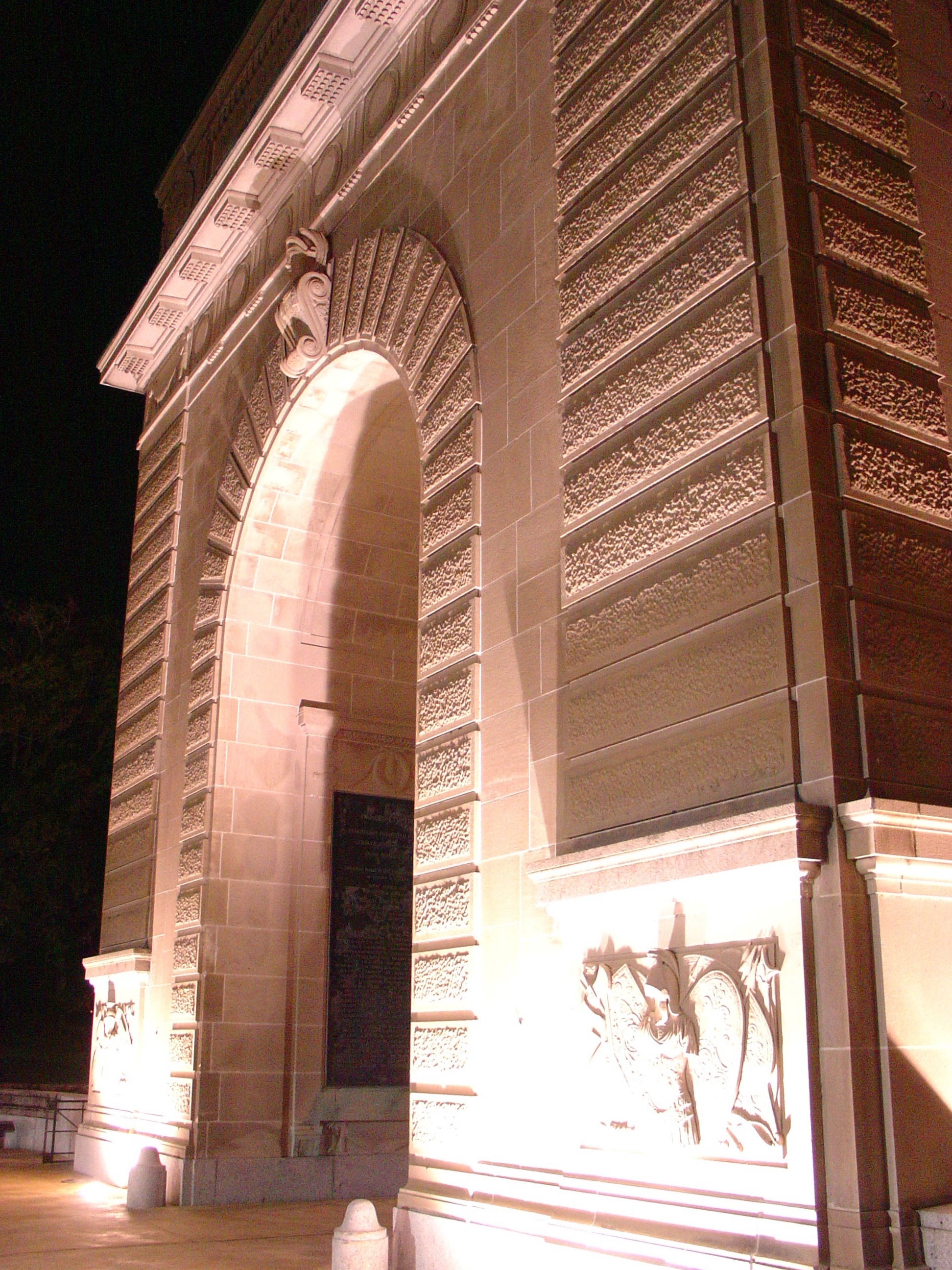
Better still, their names shall live evermore in the hearts of all their old comrades, and the names of their heroic Dead are graven in Granite and Bronze “in Flanders Fields” and many other places, including their own beautiful Memorial Arch, that all men may read and know, to the end of Time, what manner of fruit sprang from the small seed, of “Truth, Duty, Valour,” sown in the “Old Stone Frigate” in the year 1876.

The Coat of Arms of RMC is not a College of Arms grant, but a grant by Royal Warrant.
The militaristic crest atop fashions an armoured arm holding three green maple leafs under the British Crown.
The tripartite shield features a blue section for military engineering with a scaling ladder leading to a mural crown, a red section with crossed swords symbolizing infantry, and a gold chief with three grenades representing the artillery branch. In the centre is an inescutcheon bearing the Union Jack honouring the role of the military college and its alumni in defending King, Country and Empire in the various wars.
"Truth, Duty, Valour" is the RMC motto that was chosen by the College's first Commandant, Colonel Hewitt.
 They don't make them like this anymore. A senior cadet in 1954 dressed in the college's ceremonial scarlet tunic and pill box with fourth year sash and bars, "standing at ease" in old Fort Frederick on the campus of RMC. Both posture and dress appear parade perfect, harkening back to an era when the military codes of discipline, deportment and drill were a paramount preoccupation.
 With the awarding of a university degree starting in 1959, the focus of RMC began to change in the 1960s and 70s. The admission of women in the 1980s also had its influence, along with the creeping realities of modernity, "human rights" and the politically correct 1990s. Arguably, military professionalism has not waned, but they can no longer get in your face and "drill-it-into-you" like they did in the days of yore.
Because, let me tell you, "when I was a rook they used to..."
Beaverbrook,
Class of 1987, RMC Ex-cadet, Member of the Old Eighteen Thousand
Read the full article >>
Thursday, 4 January 2007
Enlist in the Red Ensign Brigade!
The Red Ensign Brigadiers are looking to expand their ranks. Will you be there?
Read the full article >>
Saturday, 30 December 2006
Simon Fraser's shock! Christian Coat of Arms
University dishonours tradition by axing crosses from its coat of arms
by Alan Ferguson
It was entirely predictable, I suppose, that the pointy-heads haunting the halls of academe should be leading the charge to erase what remains of the evidence of Canada's Christian heritage. I refer to the decision by Simon Fraser University to obliterate from its coat of arms two "crosses" -- or, as one university official provocatively called them, "crusaders' daggers."
Of course, once you've magically transformed the reputed instrument of Christ's death into an offensive weapon linked to medieval wars, it is so much easier to make a case for your pusillanimous actions. Nobody at SFU is prepared to admit it (they're tripping over their own tongues trying to pretend it's something else), but the crosses are toast only because they are a symbol of Christianity. And in today's hand-wringing culture of Christian self-abasement, to flaunt your particular religious icons in the face of a "diverse" world is an unforgivable breach of secular etiquette.
Whenever this column strays into the sphere of religion, which is not often, astute readers rush to their keyboards to tap out familiar denunciations. I am forcefully reminded that religious belief has been the source of dreadful conflict since time began; that free individuals no longer need God to tell them what to do or think, and so on. But we aren't born with an onboard moral compass. We learn as we go. And our source is the life around us in Canada, organized into at least a semblance of civilization grounded in common traditions. Throw out the traditions, strike them from our heritage like the crosses from the coat of arms, and what's left to guide our journey?
SFU seeks to explain itself by pointing out that the City of Vancouver has updated its emblem, replacing fishermen and loggers with a more contemporary design. But a university's heraldic shield is not like some corporate logo to be rebranded every time a new CEO takes the chair. And it should not be subject to change at the whim of some passing politically-correct fancy. Unless, that is, we are determined as a country to wipe out every last trace of our founding heritage.
What next? Should we be boarding up our cathedrals to avoid giving offence to non-believers? And what about those biblical quotations posted outside churches? How dare they foist their opinions on us in public like that!
SFU says that "questions" were raised about its crosses from the "international community." We can guess what that means: The university risked losing high-fee-paying foreign students who might object to studying at an institution with some apparent religious affiliation. How dreadfully embarrassing! Imagine subjecting would-be scholars to such a sacrilegious sight.
Funny how, in huge swathes of the world, another major religion is experiencing a great renaissance among millions of people who find no shame in glorifying the symbols of their faith.
More Simon Fraser idiocy here: "Colonial...by design: rethinking the name Simon Fraser University"
Beaverbrook

Read the full article >>
Thursday, 28 December 2006
University of King's College
The University of King's College was founded in Windsor, Nova Scotia, in 1789. The Windsor campus was granted a Royal Charter by King George III in 1802. King's was the first university to be established in English Canada, and is now the oldest English-speaking university in the British Commonwealth outside Britain and continues to celebrate King George III's birthday with a holiday from classes every year.
There had already been one King's College in the New World. Founded by King George II in New York in 1756, its short life ended with the American Revolution, and the old "King's" was reorganized as Columbia University.
King's in Windsor was founded by United Empire Loyalists who moved to Nova Scotia in the wake of the Revolution. During the 19th century all students were required to take oaths confirming their devotion to the Anglican Church.
In 1920 a fire ravaged the College, burning its main building to the ground -- thus raising the question of how (or even whether) King's was to survive. But King's was determined to carry on, and so accepted the terms of a generous grant from the Carnegie Foundation to rebuild not in Windsor but in Halifax, the capital city of Nova Scotia, entering into association with Dalhousie University.
When World War II broke out King's was requisitioned by the military for the training of naval officers. King's functioned as a "stone frigate", providing a facility for navigation training before officers were sent to their ships. From 1941 to 1945, the College buildings became His Majesty's Canadian Ship, "HMCS King's", where officers were trained for the Royal Canadian Navy. In reflection of this naval past, the student bar on campus is still known as the HMCS King's Wardroom, or simply "the Wardroom."
During the war the Germans would occasionally broadcast names of Allied ships they had sunk. Because the ships had to keep radio silence these reports could not be verified, and it was suspected that many were false. Allies circulated lists of non-active ships in the hopes of feeding the Germans disinformation; when the German's broadcast that they had sunk HMCS King's their ruse was made plain. Queen Elizabeth II approved the new coat of arms devised by the College of Arms in London in 1963 replacing the old one for which, it had been discovered, no permission had ever been given by any recognized authority. The Latin motto Deo Legi Regi Gregi translated means For God, Law, King, People. Having a Royal Charter, King's is permitted to use the crown above the arms.
On the crest, the crown to the left of the Pascal Lamb represents Oxford University on which King's is patterned. The Pascal Lamb represents the Fredericton Diocese. The St. Andrew's Cross (with the Pastoral Staff and the Key) symbolizes the Nova Scotia Diocese. Prince Edward Island, which is part of the Diocese of Nova Scotia, is represented by four green trees.
Beaverbrook


Read the full article >>
Saturday, 23 December 2006
At what point do we fight for our own values?
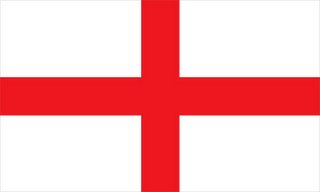
For all the current talk of Islamofascism, the British have been quick to shed more than the burdens of Empire; they've turned their backs on the lessons of appeasement. In an article by Jonathan V. Last of the Philadelphia Inquirer, he describes a couple of examples of English accomodation to intimidation that had passed my attention:England's chief inspector of prisons banned flying the flag of England on prison grounds because it featured the cross of St. George, which might be offensive to Muslims. Britain's version of the department of motor vehicles has also banned the English flag, as has Heathrow Airport.
It's one thing not to be able to fly the storied Union Flag that once flew alone against the Nazi wind for fear of being seen to support the BNP, but now one can't even fly the cross of St. George! Next they'll have to change the crests of Ontario, Manitoba and Alberta...
Time to start getting active and linking up with all those who share our fears which should be easy enough thanks to the links the Monarchist has provided on the right...
Read the full article >>
Sunday, 26 March 2006
THE QUEEN'S BRITISH COMMONWEALTH REGIMENTS IN ORDER OF PRECEDENCE
 The King's Troops
 The Life Guards
 The Blues and Royals
 Lord Strathcona's Horse (The Royal Canadians)

 Royal Canadian Dragoons
 The Light Dragoons

- SOVEREIGN'S BODYGUARDS
 THE QUEEN'S GUARD
Yeomen of the Guard
Royal Company of Archers
Warden of the Cinque Ports
COMMANDER-IN-CHIEF- QUEEN AND ARMED FORCES
The British Army
 Canadian Armed Forces
 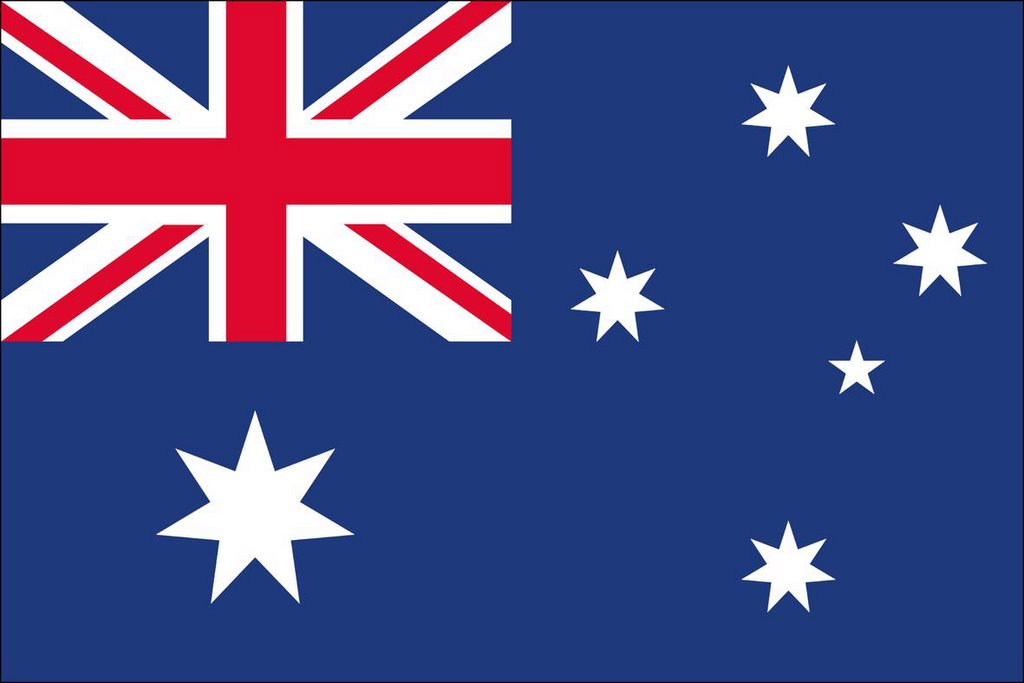 The Australian Army
 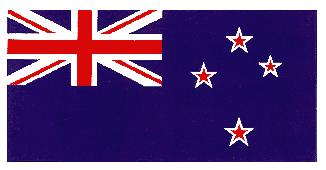 The New Zealand Army
 The Royal Air Force
- Royal Australian Air Force
- Royal New Zealand Air Force
ROYAL NAVY
 Royal Canadian Navy
- Royal Australian Navy
- Royal New Zealand Navy
- Her Majesty's Canadian Navy
 Her Majesty's Royal Marines
- Navy League of Canada
SPECIAL FORCES - 22nd Special Air Service Regiment (SAS)
- 23rd Special Air Service Regiment (Territorial)
- Canadian SAS Regiment (Joint Task Force 2)
- Australian SAS Regiment
- New Zealand SAS Regiment
- 1st Commando Regiment
- 4th Battalion, Royal Australian Regiment
- Special Operations Regiment
- Special Reconnaissance Regiment
- The Parachute Regiment
- Her Majesty's Royal Marines
- Royal Air Force Regiment
 HER MAJESTY'S SHIPS
 LORD HIGH ADMIRAL
- HMCS Iroquois (DDG280)
- HMCS Huron (DDG281)
- HMCS Athabascan (DDG282)
- HMCS Algonquin (DDG283)
- HMAS Adelaide (FFG01)
- HMAS Sydney (FFG03)
- HMAS Darwin (FFG04)
- HMAS Melbourne (FFG05)
- HMAS Newcastle (FFG06)
- HMS Argyll (F231)
- HMS Lancaster (F229)
- HMS Iron Duke (F234)
- HMS Monmouth (F235)
- HMS Montrose (F236)
- HMS Westminster (F237)
- HMS Northumberland (F238)
- HMS Richmond (F239)
- HMS Somerset (F82)
- HMS Sutherland (F81)
- HMS Kent (F78)
- HMS Portland (F79)
- HMS St Albans (F83)
- HMCS Halifax (FFH330)
- HMCS Vancouver (FFH331)
- HMCS Ville de Quebec (FFH332)
- HMCS Toronto (FFH333)
- HMCS Regina (FFH334)
- HMCS Calgary (FFH335)
- HMCS Montreal (FFH336)
- HMCS Fredericton (FFH337)
- HMCS Winnipeg (FFH338)
- HMCS Charlottetown (FFH339)
- HMCS St. John's (FFH340)
- HMCS Ottawa (FFH341)
- HMAS Anzac (FFH150)
- HMAS Arunta (FFH151)
- HMAS Warramunga (FFH152)
- HMAS Stuart (FFH153)
- HMAS Parramatta (FFH154)
- HMAS Ballarat (FFH155)
- HMAS Toowoomba (FFH156)
- HMAS Perth (FFH157)
- HMNZS Te Kaha (FFH77)
- HMNZS Te Mana (FFH111)
- HMS Cornwall (F99)
- HMS Cumberland (F85)
- HMS Campbeltown (F86)
- HMS Chatham (F87)
- HMS Vanguard (SSBN28)
- HMS Victorious (SSBN29)
- HMS Vigilant (SSBN30)
- HMS Vengeance (SSBN31)
- HMS Superb (SSN109)
- HMS Sceptre (SSN104)
- HMS Trafalgar (SSN107)
- HMS Turbulent (SSN87)
- HMS Tireless (SSN88)
- HMS Torbay (SSN90)
- HMS Trenchant (SSN91)
- HMS Talent (SSN92)
- HMS Triumph (SSN93)
- HMCS Victoria (SSK876)
- HMCS Windsor (SSK877)
- HMCS Cornerbrook (SSK878)
- HMCS Chicoutimi (SSK879)
- HMAS Collins (SSG73)
- HMAS Farncomb (SSG74)
- HMAS Waller (SSG75)
- HMAS Dechaineux (SSG76)
- HMAS Sheean (SSG77)
- HMAS Rankin (SSG78)
- HMS Albion (L14)
- HMS Bulwark (L15)
- HMS Ocean (L12)
- HMAS Kanimbla (L51)
- HMAS Manoora (L52)
- HMAS Tobruk (L50)
- HMAS Balikpapan (L126)
- HMAS Brunei (L127)
- HMAS Labuan (L128)
- HMAS Tarakan (L129)
- HMAS Wewak (L130)
- HMAS Betano (L133)
- HMCS Protecteur (AOR509)
- HMCS Preserver (AOR510)
- HMAS Westralia (AO195)
- HMAS Success (AOR304)
- HMNZS Endeavour (A11)
- HMNZS Manawanui (A09)
CEREMONIAL REGIMENTS
- QUEEN and REGIMENT
- The Queen's Guard
 Wellington's Dispatches
- REGIMENTS.ORG
- The Household Division:
- The Life Guards
- The Blues and Royals
- The Governor General's Horse Guards
- The Governor General's Foot Guards
- Australia's Federation Guard
- The King's Troops, Royal Horse Artillery
- The Grenadier Guards
- The Canadian Grenadier Guards
- The Coldstream Guards
 The Scots Guards
 - The Irish Guards
- The Welsh Guards
CAVALRY REGIMENTS - The Household Cavalry:
- The Life Guards (Senior Regiment of the British Army)
- The Blues and Royals (Royal Horse Guards and 1st Dragoons)
- The Governor General's Horse Guards
- The King's Troops, Royal Horse Artillery
- Dragoon Regiments:
- 1st The Queen’s Dragoon Guards
- The Royal Scots Dragoon Guards (Carabiniers and Greys)
- The Royal Dragoon Guards
- The Royal Canadian Mounted Police
- The Royal Canadian Dragoons
- The Light Dragoons
- The British Columbia Dragoons
- The Saskatchewan Dragoons
- Hussar Regiments:
- The King’s Royal Hussars
- The Queen’s Royal Hussars (The Queen’s Own and Royal Irish)
- The Royal Canadian Hussars (Montreal)
- 1st Hussars
- The Sherbrooke Hussars
- 8th Canadian Hussars (Princess Louise's)
- Lancer Regiments:
- The Queen's Royal Lancers
- 12th/16th Hunter River Lancers
- 1st/15th Royal New South Wales Lancers
- 9th/12th Royal Lancers (Prince of Wales’s)
- Light Horse Regiments:
- 2nd/14th Light Horse Regiment (Queensland Mounted Infantry)
- Queen Alexandra's Mounted Rifles
- 3rd/9th South Australia Mounted Rifles
- Lord Strathcona’s Horse (Royal Canadians)
- The South Alberta Light Horse
- 4th/19th Prince of Wales's Light Horse
- 10th Light Horse Regiment
- The Fort Garry Horse
- 12e Régiment blindé du Canada
- Heavy Cavalry:
- 1st Royal Tank Regiment
- 2nd Royal Tank Regiment
- 1st Armoured Regiment
- 2nd Cavalry Regiment
- 3rd/4th Cavalry Regiment
- The Ontario Regiment (RCAC)
- The Queen's York Rangers (1st American Regiment) (RCAC)
- The Prince Edward Island Regiment (RCAC)
- The British Columbia Regiment (Duke of Connaught's Own) (RCAC)
- The King's Own Calgary Regiment (RCAC)
- Le Régiment de Hull (RCAC)
- The Windsor Regiment (RCAC)
INFANTRY REGIMENTS - The Household Troops:
- The King's Troops, Royal Horse Artillery
- The Governor General's Foot Guards
- Australia's Federation Guard
- The Grenadier Guards
- The Canadian Grenadier Guards
- The Coldstream Guards
- The Scots Guards
- The Irish Guards
- The Welsh Guards
- Scottish Regiments:
- The Royal Regiment of Scotland
- The Black Watch (Royal Highland Regiment)
- The Black Watch (Royal Highland Regiment) of Canada
- Royal Highland Fusiliers (Princess Margaret's Own)
- The Royal Highland Fusiliers of Canada
- The Argyll and Sutherland Highlanders (Princess Louise's)
- The Argyll and Sutherland Highlanders of Canada (Princess Louise's)
- The Highlanders (Seaforth, Gordons and Camerons)
- The Seaforth Highlanders of Canada
- The Queen's Own Cameron Highlanders of Canada
- The Cameron Highlanders of Ottawa
- The Nova Scotia Highlanders
- 48th Highlanders of Canada
- The Calgary Highlanders
- The Stormont, Dundas and Glengarry Highlanders
- The Royal Scots (The Royal Regiment)
- The Canadian Scottish Regiment (Princess Mary's)
- The Toronto Scottish Regiment (Queen Mother's Own)
- The Lake Superior Scottish Regiment
- The King's Own Scottish Borderers
- The Lorne Scots (Peel, Dufferin and Halton Regiment)
- The Essex and Kent Scottish
- Light Infantry:
- Princess Patricia's Canadian Light Infantry (PPCLI)
- The Royal Regiment of Fusiliers
- The Royal Anglian Regiment
- Royal Canadian Regiment (RCR)
- The Royal Australian Regiment
- The Royal New Zealand Infantry Regiment
- Royal Regiment of Canada
- Princess of Wales's Royal Regiment (Queen's and Royal Hampshires)
- Duke of Lancaster's Regiment (King's Lancashire and Border)
- The King's Own Royal Border Regiment
- The King's Regiment
- The Queen's Lancashire Regiment
- The Yorkshire Regiment (14th/15th, 19th and 33rd/76th Foot)
- Prince of Wales's Own Regiment of Yorkshire
- The Green Howards (Princess Alexandra's Own Yorkshire Regiment)
- Duke of Wellington's Regiment (West Riding)
- The Mercian Regiment
- Le Royal 22e Régiment (Vandoos)
- The 22nd (Cheshire) Regiment
- Worcestershire and Sherwood Foresters Regiment (29th/45th Foot)
- The Staffordshire Regiment (Prince of Wales's)
- The Royal Welsh
- The Royal Welch Fusiliers
- The Royal Regiment of Wales (24th/41st Foot)
- The Royal Irish Regiment
- The Parachute Regiment
- The Royal Gurkha Rifles
- The Rifles
- The Devonshire and Dorset Light Infantry
- The Light Infantry
- The Royal Gloucestershire, Berkshire and Wiltshire Light Infantry
- The Royal Green Jackets
- The Royal Gibraltar Regiment
- The Queen's Own Rifles of Canada
- Les Voltigeurs de Québec
- The Royal Hamilton Light Infantry (Wentworth Regiment)
- The Princess of Wales' Own Regiment
- The Hastings and Prince Edward Regiment
- The Lincoln and Welland Regiment
- The Royal Canadian Regiment (London and Oxford Fusiliers)
- The Grey and Simcoe Foresters
- The Brockville Rifles
- Les Fusiliers du St-Laurent
- Le Régiment de la Chaudière
- Le Royal 22e Régiment
- Les Fusiliers Mont-Royal
- The Princess Louise Fusiliers
- The Royal New Brunswick Regiment
- The West Nova Scotia Regiment
- Le Régiment de Maisonneuve
- The Royal Winnipeg Rifles
- Le Régiment du Saguenay
- The Algonquin Regiment
- The North Saskatchewan Regiment
- The Royal Regina Rifles
- The Rocky Mountain Rangers
- The Loyal Edmonton Regiment (4th Battalion, PPCLI)
- The Royal Westminster Regiment
- Les Fusiliers de Sherbrooke
- The Royal Montreal Regiment
- Irish Regiment of Canada (2nd Battalion)
- The Royal Newfoundland Regiment
- The Royal Queensland Regiment AUS
- The Royal New South Wales Regiment
- The Royal Victoria Regiment
- The Royal South Australia Regiment
- The Royal Western Australia Regiment
- The Royal Tasmania Regiment
- NORFORCE
- The Pilbara Regiment
- The Far North Queensland Regiment
ARTILLERY REGIMENTS - Royal Regiment of Artillery
- 1st Regiment, Royal Canadian Horse Artillery
- 2nd Regiment, Royal Canadian Horse Artillery
- Royal Regiment of Australian Artillery
- Royal Regiment of New Zealand Artillery
- 5e Regiment d'artillerie légère du Canada
- 4th Air Defence Regiment, RCA
- 1st (Halifax-Dartmouth) Field Artillery Regiment, RCA RES
- 2nd Field Artillery Regiment, RCA
- 3rd Field Artillery Regiment, RCA
- 5th (British Columbia) Field Artillery Regiment, RCA
- 6e Régiment d'artillerie de campagne, ARC
- 7th Toronto Regiment, RCA
- 10th Field Artillery Regiment, RCA
- 11th Field Artillery Regiment, RCA
- 15th Field Artillery Regiment, RCA
- 20th Field Artillery Regiment, RCA
- 26th Field Artillery Regiment, RCA
- 30th Field Artillery Regiment, RCA
- 49th (Sault Ste Marie) Field Artillery Regiment, RCA
- 56th Field Artillery Regiment, RCA
- 62e Régiment d'artillerie de campagne, ARC
- 84th Independent Field Battery, RCA
- 116th Independent Field Battery, RCA
- 1st Air Defence Regiment (Lanark & Renfrew Scottish), RCA
- 18th Air Defence Regiment, RCA
ENGINEER/SUPPORT REGIMENTS - Corps of Royal Engineers
- Royal Corps of Signals
- Army Air Corps
- Royal Army Chaplains Department
- Royal Logistic Corps
- Royal Army Medical Corps
- Corps of Royal Electrical and Mechanical Engineers
- Adjutant General's Corps
- Royal Army Veterinary Corps
- Small Arms School Corps
- Royal Army Dental Corps
- Intelligence Corps
- Army Physical Training Corps
- General Service Corps
- Queen Alexandra's Royal Army Nursing Corps
- Corps of Army Music
- 1 Combat Engineer Regiment
- 2 Combat Engineer Regiment
- 4 Engineer Support Regiment
- 5 Combat Engineer Regiment
- 2 Field Engineer Regiment RES
- 3 Field Engineer Regiment
- 8 Field Engineer Regiment
- 31 Combat Engineer Regiment (The Elgins)
- 6 Field Engineer Squadron
- 9 Field Engineer Squadron
- 10 Field Engineer Squadron
- 33 Field Engineer Squadron
- 44 Field Engineer Squadron
- 45 Field Engineer Squadron
- 56 Field Engineer Squadron
- Corps of Royal Australian Engineers
- Incident Response Regiment
- Royal Australian Corps of Signals
- Australian Army Aviation Corps
- Australian Intelligence Corps
- Royal Australian Army Chaplains' Department
- Royal Australian Corps of Transport
- Royal Australian Army Medical Corps
- Royal Australian Army Dental Corps
- Corps of Royal Australian Electrical and Mechanical Engineers
- Royal Australian Army Education Corps
- Australian Army Catering Corps
- Royal Australian Army Pay Corps
- Australian Army Legal Corps
- Royal Australian Corps of Military Police
- Australian Army Psychological Corps
- Australian Army Band Corps
- Royal Australian Army Nursing Corps
- Australian Army Public Relations Service
- Royal Australian Army Ordnance Corps
- Corps of Royal New Zealand Engineers
- Royal New Zealand Corps of Signals
- Royal New Zealand Army Logistic Regiment
- Royal New Zealand Army Medical Corps
- Royal New Zealand Army Nursing Corps
- Royal New Zealand Army Dental Corps
- Corps of Royal New Zealand Military Police
- New Zealand Intelligence Corps


Read the full article >>
Subscribe to:
Comments (Atom)






 Posts
Posts