The Monarchist has moved!
Gentlemen followers of the Monarchist blog, please note that The Monarchist has moved. You are following an old version, the new version is here.
Read the full article >>
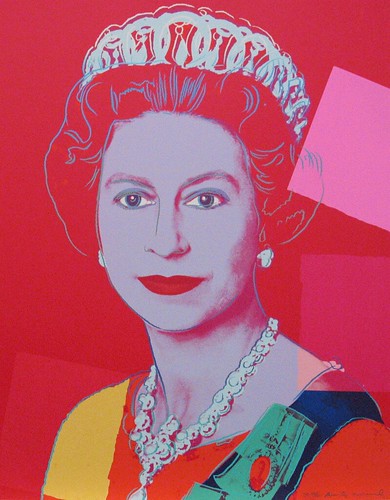 Vice-Regal Saint: Remembering Paul Comtois (1895–1966), Lt.-Governor of Québec
Gentlemen followers of the Monarchist blog, please note that The Monarchist has moved. You are following an old version, the new version is here.
Daniel Hannan, a British Member of the European Parliament, decimates Prime Minister Brown here for presiding over Britain's rapid economic decline. It is enjoyable not just because of the blistering attacks and gifted delivery, but because it reminds me of why Britain was once great.
For on full display here is that wonderful Tory tradition of English Parliamentary debate, that natural ability to cut and thrust through your political opponent until he is reduced to an inadequate heap - the body language says it all, as Gordon Brown diminishes into a rather uncomfortably brave smile. Tories of yore did not just participate in debates, they reveled in them - it was their one and only vocation. Although a self-proclaimed Whig, Mr. Hannan here is putting on a show worthy of an old fashioned Tory. My my, what wonderful, wonderful stuff.
IT NEVER WOULD HAVE OCCURRED TO ME that the Commonwealth was born in 1949. In fact, it would have never occurred to me that the Commonwealth was even born at all, merely a long evolution that had its origins with the British Empire, which eventually transpired into a free association of independent Commonwealth states. But if I had to choose a date, it most certainly would not have been the London Declaration of April 26, 1949. The term 'Commonwealth of Nations' was invented by Lord Rosebery on a trip to Australia in 1884. The first meeting of colonial heads of government was held back as far as 1887 and there were many that followed, including the all-important imperial conference of 1926 that resulted in the infamous Balfour Declaration, whose pronouncements were formalised by the Statute of Westminster in 1931.
Indeed, the Statute of Westminster was until very recently considered the real beginning of the modern Commonwealth, because for the first time each country was legally recognised as equal in status, in no way subordinate one to another in any aspect of their domestic or external affairs, though united by common allegiance to the Crown, and freely associated as members of the British Commonwealth of Nations. It was a truly transformative development.
On the pages of the Commonwealth Secretariat you will even find that Canada, South Africa, Australia and New Zealand "joined" in 1931. (Interestingly they are mute on when the United Kingdom "joined".) Certainly, the significance of 1931 cannot be overstated. The Imperial Commonwealth at that point stood for independence, equality, unity, allegiance, patriotism and free association of its members.
1949 is noteworthy only as a weakening of those things. The dropping of the British pedigree, the end of our united allegiance to the King, the loss of our common patrimony, all in order to make way for the newfound Republic of India, who would not countenance associate membership. The London Declaration was the moment the British Crown Commonwealth became de-Britished, unCrowned and Common-poorer, in that the wealth we had in common became much less so.
1949 was the point in time when our monarchy was demoted to the status of symbol in order to make way for republicanism. We were no longer required to recognize the King as our sovereign, only as the symbolic "Head of the Commonwealth". As a result, Commonwealth republics now outnumber Commonwealth realms, but even more apparent than republicanism, was the ever increasing political need to turn the page and erase from historical memory our so-called "colonial legacy". Her Majesty herself on coronation day in 1952 gave an indication of this desire:
"The Commonwealth bears no resemblance to the empires of the past. It is an entirely new conception built on the highest qualities of the spirit of man: friendship, loyalty, and the desire for freedom and peace."The spirit of that international fellowship technically still lives on, but nobody gets excited about the Commonwealth anymore. The popular fraternity - our pan-Britannic patriotism - has evaporated forever. Admittedly, our cultural loyalty may have gradually withered anyways, and certainly culture and identity are increasingly complex notions in the 21st century. But if defending the British Monarchy or an "English Queen" on the basis of national identity now seems like an increasingly remote possibility as we head further into the cosmopolitan mire, that path was firmly set in motion back in 1949.
A rather long time ago, our Prime Minister here in Canada, the 'Right Honourable' Stephen Harper made a comment about Canada's war in Afghanistan. He said, if my memory holds, that Afghanistan had had an insurgency more or less forever, and that final victory for our forces there was impossible.
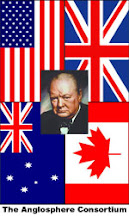
Let's turn back the clock to the mid 20th century. 1940, to be precise. France had fallen before the dark tides of Nazi aggression, Russia had a pact of non-aggression with Germany, Japan had yet to awake the sleeping giant at Pearl Harbour. Berlin, Rome and Tokyo now turned their gaze towards Britain and her Commonwealth, the last bastion of liberty and reason in Europe. The Battle of Britain, the turning point of the Second World War, was about to begin. It was, by far, the darkest days of the War. Britain, Canada, Australia, South Africa, India and New Zealand together faced odds far greater than what we face today from the challenge of Islamic Extremism. But then entered Winston Churchill, the last great British lion. Or perhaps bulldog would be the more accurate descriptor, considering his reputation and appearance. An heir, in direct lineage, to Sir John Churchill, the Duke of Marlborough, and the first great hero of the United Kingdom. Churchill, despite all the logic in suing for peace, would not back down, would not talk to the fascists, would not compromise with murderers and madmen. Despite all the tides of evil that rose up to oppress the British Isles and it's Empire, the forces of civilization and reason won through and secured the supremacy of the Rule of Law and Parliaments in Europe. Fascism was overthrown by the alliance of the Russians and the English-speaking peoples of Britain, the Commonwealth and America. Peace was restored. Our freedom was earned. Our civilization was preserved.
And now, the feckless Stephen Harper, a man facing odds far less daunting than Churchill (though our opponents are no less brutal or barbaric), speaks already of defeat. In this post-Vietnam era, the people have forgotten that it takes time, effort and much heartbreak to win a war against a determined enemy. The people of the United States, ever since Vietnam, have had this little irking fear in the back of their minds. A fear that any war that lasts longer than the average flight time of a Tomahawk cruise missile will degenerate into a slogging, shellshocking, Vietnam-esque mess. And this fear has spread across the English-speaking world. All the way into the halls of power, it seems. Our armed forces, our country, we cannot afford to have a PM speak of defeat. At least not in public! Not only does this undermine Mr. Harper's political position, it undermines the morale of our troops currently in Afghanistan. And more importantly, it undermines our war effort as a whole. I've no doubt that the Taliban could, given a little effort, access CBC news broadcasts. And if they hear that leader of the Canadians, one of their most hated group of enemies I'm sure, is talking about how the Canadians can't win... Well what can they do but be elated? Strike with greater boldness, greater confidence, greater audacity.
In my life, i've learned that if you are always saying to yourself "I can't do well at this", whatever 'this' may be, you make a self-fulfilling prophecy for yourself. A student who goes into a test expecting to do badly will usually do badly. If you say you won't win this race, then you probably won't win. What then will happen when the Prime Minister says his country will lose their war? It follows that victory becomes impossible for the country.
And considering the opponent we face, we can't let that happen.
God save our Queen and Heaven bless the Maple Leaf Forever
Gladstone,
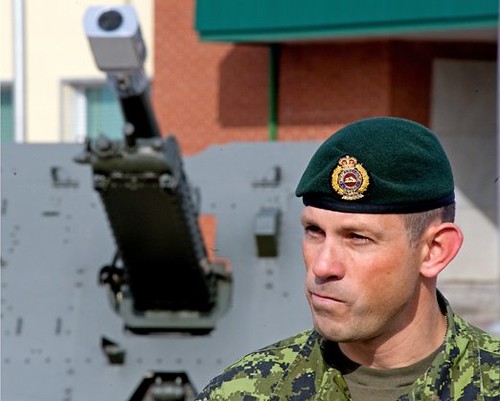
Four more soldiers fighting with the Royal Canadian Regiment and the Royal Canadian Dragoons were killed in Afghanistan on Friday, and eight others were seriously injured. Canada has now lost 116 soldiers and one diplomat in that war-torn country, including several hundred non-fatal combat casualties.

The Eaton's chain was a legendary Canadian retailer, it's famous catalogue an icon to generations of customers. A family firm, one of the reasons for its demise in the late 1990s, the Eaton's were staunch monarchists who celebrated every major event in the life of the Royal Family. Their prominent downtown locations were often festooned with Union Jacks and other paraphernalia of Anglo-Canadian patriotism. Below is a selection of photographs, taken from the Archive of the province of Ontario, of Eaton's stores through out the company 130 year history:
The SOE
Although SOE agents were inevitably reliant on Resistance forces to be effective, few of the accounts in Forgotten Voices give any sense of the local people who were involved, or of the extent to which SOE actually controlled them. The SOE circuit organizer Ben Cowburn is one of the few to attempt to explain why SOE had such an aura with the Resistance. He emphasizes the importance of radio, of concrete proof of contact with London – he could get the BBC to broadcast a phrase given by his Resistance contact, and even more important, summon up RAF supply drops. This, he convincingly argues, was a real “manifestation of power: this thing had come through, it had roared through the German defences and everything, and it was they that had ordered it. And you were somebody from then on”.
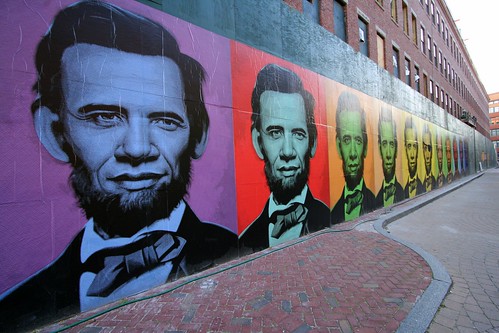
Es ist kein Schwert das schärfer schiert,
Als wenn ein Baur zum Herren wird.
(There is no sword that cuts sharper,
Than if a peasant becomes master.)
If [Britons enthusiastic about the inauguration] were consistent they would join the call for a democratically elected and accountable head of state, open to British people of all races, classes and faiths or beliefs.Oh yes, everyone's right to be our Overlord; that concept that has given us so much progress.
The current monarchical system of determining our head of state is premised on the assumption that the most ignorant, stupid, immoral white Windsor first-born is more entitled to be our head of state than the best-informed, wisest and most moral black or Asian Briton.The democratically elected politicians are well-informed, wise, and moral? And a democratically elected head of state will be? Of course! And pigs will fly!
No one ever teaches well who wants to teach, or governs well who wants to govern.What now is the case is that we get a contest between those who have the highest ambitions of governing.
A leading college at Cambridge University has renamed its controversial colonial-themed Empire Ball after accusations that it was "distasteful".
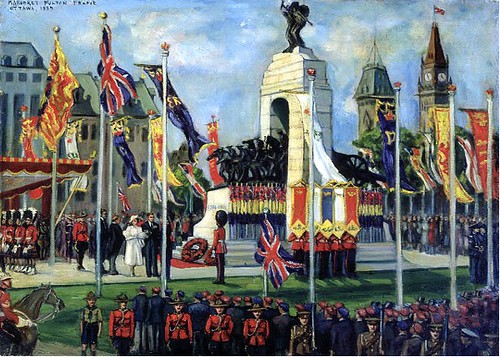
Re: the anonymous Obama administration dufus who said: "There’s nothing special about Britain. You’re just the same as the other 190 countries in the world. You shouldn’t expect special treatment."
As an unapologetic, full-throated Anglophile I find those comments idiotic, offensive, ahistorical, and in a certain sense anti-American.* I'm of course appalled.
But it's worth focusing on one aspect of this sentiment: It's idiocy. According to the liberal-realist school, some countries matter more than other countries because they are powerful and have the ability to adversely affect our national interest. According to the liberal-internationalist school, allies matter more than non-allies because grand international coalitions are the best way to do the wonderful things want to do on the world stage. So, China matters because it's a rising hegemon. Burkino Faso matters . . . eh, not so much. "Europe" matters because they are allies on security, global warming, human rights, etc. Well, Britain just happens to be our most important, reliable, and powerful ally.
So even if you take the pragmatist's razor to our shared history, culture, and all other romantic attachments to Great Britain, the bulldog still matters — a lot. In other words, to say that Britain isn't any more special than the other 190 countries in the world, you actually have to dislike Britain to the point where you're willing to suspend what are supposed to be your guiding principles and objectives about foreign policy.
* Just to be clear, what I mean by anti-American isn't a knee-jerk attack on anyone's patriotism. Rather, I simply mean that if you think the country that gave us our system of laws, our democratic tradition, our dominant culture, much of our greatest literature, and even our language is no more special than any backwater country which immiserates or brutalizes its people, then you must not think very much of America's culture, traditions, etc. either.
— Jonah Goldberg
Not a posthumous VC, but two George Medals basically equates to the same thing.
THE QUEEN HAS AWARDED A SECOND GEORGE MEDAL to a bomb disposal expert killed in Afghanistan last year. This is the first time a second George Medal, known as a Bar, has been awarded in 26 years. Warrant Officer 2nd Class Gary O'Donnell, 11 Explosive Ordnance Disposal Regiment Royal Logistic Corps, was killed defusing an improvised explosive device in Helmand province, southern Afghanistan, on 10 September 2008.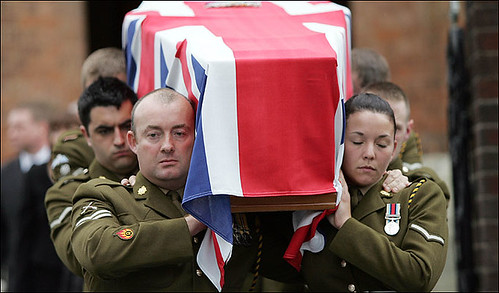 The posthumous award to Warrant Officer O'Donnell, who died whilst attempting to disarm an improvised explosive device, was announced in the presence of his widow Mrs Toni O'Donnell. The George Medal is awarded for acts of great bravery.
WO2 O'Donnell, who at the time of his death already held the George Medal for his work defusing bombs in Iraq, was recommended for the further honour in recognition of his remarkable actions in two separate incidents, in May and July 2008.
On both occasions WO2 O'Donnell - who during his last tour in Afghanistan disposed of more than 50 IEDs - placed himself in immense personal danger in order to protect his comrades.
Commonwealth Note: The George Cross and Medal are no longer awarded to Canadians and Australians. The Queen of both countries replaced the George Cross with the Cross of Valour back in the 1970s, though still retaining the honour as the highest civil decoration, second in order of precedence only to the Victoria Cross. Both the Victoria Cross and the Cross of Valour/George Cross are awarded for acts of great bravery, however in order to qualify for the Victoria Cross, military personnel (or civilans operating under military command), must demonstrate conspicuous acts of bravery in the presence of the enemy.
Curious images of Nazi hegemony are probably not the ideal photo opportunity for a British prince on Commonwealth day. I mean, what's next: Goosesteps and pickelhaubes on Remembrance Day? Gestapo tea, anyone? Goering aftershave?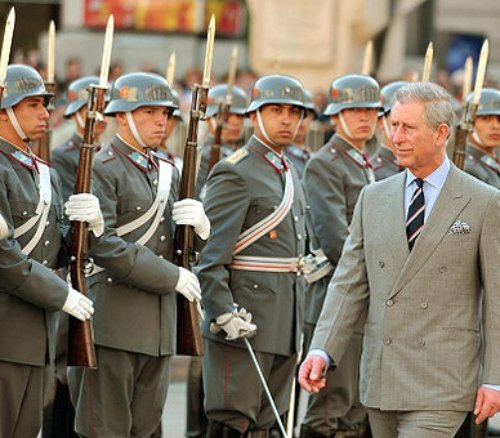 The Prince of Wales inspects the Guard of Honour at the Presidential Palace in Santiago, Chile, on the second day of an overseas tour to Chile, Brazil and Ecuador, 9 March 2009. His Royal Highness is accompanied by The Duchess of Cornwall on the tour, which is being carried out at the request of the British Government and which focuses on environmental issues and the Government's climate change priorities.
© Press Association
News to swell loyal hearts from the happy plot at the bottom of the Earth. 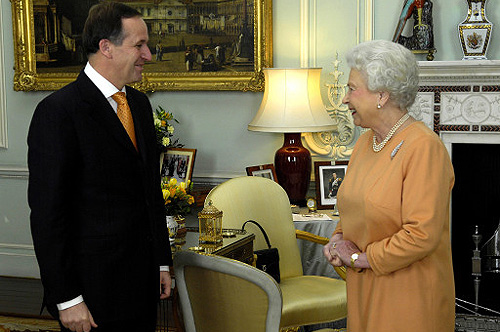 The Queen receives the Prime Minister of New Zealand, the Hon. John Key MP, at Buckingham Palace, 25 November 2008.
This is huge. It is being reported that New Zealand is to restore the rank of Sir and Dame to its honours system nine years after it abolished titles in favour of Republican-style distinctions.
If we called Prime Minister John Key a limousine liberal in the recent past, we do at this moment take it all back. I mean, wow. What a glorious turn of events. Hallelujah for rare political miracles. By George, he did it!
Come on Australia and Canada, do the right thing, and follow New Zealand's lead. If a foreigner like Ted Kennedy is allowed to accept the honour of a knighthood from the Queen, it is only our ancient God-given right as Her Majesty's own subjects to be permitted the same.
Why the fall of Helengrad was a good thing. Happy Commonwealth Day indeed.
Royal Bank of Canada: 2008 Profit = $5 billion
Royal Bank of Scotland: 2008 Loss = £24.1 billion
Whether measured by market value, balance sheet strength or profitability, Canada's banks are rising to the top. Since the credit crunch began in the summer of 2007, the Big Five banks with a combined asset value in excess of $2.5 trillion - the Royal Bank of Canada, the Toronto-Dominion Bank, the Bank of Noval Scotia, the Bank of Montreal and the Canadian Imperial Bank of Commerce have booked a total of $18.9-billion in profits.
In roughly the same period, the five biggest U.S. banks have lost more than $37-billion (U.S.). One, Wachovia Corp., was forced to sell out to avoid failing. Another, Citigroup Inc., long the world's largest bank, may have to be nationalized and this week became a penny stock.
The picture is even more bleak in Britain. The Royal Bank of Scotland alone lost a staggering £24.1 billion this year, as much as the top five U.S. bank losses put together. I fear for the future of Britain, I really do. What that country had more so than any other country was a mighty financial services industry - London had even boastfully topped New York as the financial centre of the world.
So now what? Unlike Canada, it does not have an abundance of natural resources to guarantee its prosperity, as Britain imports most everything. If its financial system collapses, what does it have to fall back on? I'm very disappointed by this nasty turn of events, as I was preparing my family for the big move to London. Unfortunately we will now be putting off our plans for the long unforeseeable future.
Recently, I was walking in a park near my home, enjoying the brisk air of a Canadian winter, and the exquisite beauty of a snow-covered landscape. It was evening and the setting sun stained the white snow with shades of crimson and gold. There wasn't a sound to be had, all was quiet and beautiful, truly serene. But then I did hear something, sounds like shouting and struggling. Naturally concerned, I followed the sounds to behind a small grove of trees, where I saw another young man attempting to force himself upon a young woman, who was against a fence. She naturally took objection to this, and was struggling to push him away, but with his greater strength and size he was easily winning the struggle. I consider myself to be a gentleman, and a gentleman could not stand by and allow this to happen. Moving quickly, I set a hand on the man's shoulder and pulled him away.
"Sir, I don't believe the lady wants your company this evening," I said. The young man shouted a curse word, then drew back and struck me across the jaw, whereupon I struck him back and sent him sprawling onto the cold snowy ground. He looked up at me with anger, pain, and perhaps more than a bit of drunkenness in his eyes, decided that it was not worth the effort, and scrambled off. I then turned to the young woman to see if she was alright.
"Are you okay, miss?" I asked. She did not answer me. Instead she drew a can of pepperspray from her purse and sprayed me with it, shouting "CREEP!" loudly. She then quickly and sharply raised her knee into my reproductive organs, and ran off, leaving me doubled over from the pain which was, i'm sure you know, quite excrutiating.
I sit at my desk today, pondering what that young lady, scared and possibly traumatized as she may have been, was thinking when she inflicted such pain on her rescuer. Perhaps in the confusion she mistook me for the other young man, we were roughly the same height and build, both light brown hair, blue eyes. Perhaps she was a 'liberated powerful modern woman' and a hardline feminist, for whom being rescued was just as bad as being sexually assaulted. Perhaps she was just crazy. But the fact remains that this was not an unusual occurance, I am often punished or scolded or reproached for trying to be a gentleman in this ungentlemanly world.
For example, at my ex workplace I arrived by bus, at the same time as a lady who also worked there. I usually hold the door for her, it's just good manners. This had gone on for about five weeks, and though she never thanked me, being a gentleman was reward enough for me. I was then approached by my boss and told to stop holding the door for her, because she was perceiving me as a sexist who was mocking her, as holding the door for her did not imply my good manners, but that she was too weak to open the door for herself.
Another time, I was out for a walk in the evening, when I saw a group of three young ladies dressed rather... provocatively, being harassed by five or six young men who seemed rather intoxicated. Naturally, I rushed to the young ladies aid and, with a few blows exchanged, saw the young men off and on their way home. But I obviously overstepped my boundaries when I commented that if the young ladies wouldn't dress like the harlots those young men usually associated with, then those young men would no longer bother them. They then launched a tirade about, if they had 'it' they were going to flaunt 'it' and that was their right, no matter what trouble it would get them into.
It's sometimes hard to be a gentleman in today's world. I am snickered at when people learn I listen to Bach, Handel and Tchaikovsky. In a recent writing course I took, I was openly discouraged from sharing a passage of Kipling for a required reading we were supposed to conduct, due to Kipling supposedly being 'racist, imperialist and chauvinistic'. I am mocked for wearing a properly-fitted suit rather than the "style" of the modern young man, which is either excessively baggy or disturbingly skin-tight based on your social group. My military aspirations, my desire to serve Her Majesty as an officer of the Royal Canadian Army (and it will always be the RCA to me), my personal dream of defending God, Queen and Country, that is made ridicule most of all by my peers.
But still I stay the course. We must all stay the course, or else all those distasteful elements of society that we so oppose will have won at last. We are outnumbered, outmanuevered, outgunned perhaps, but I know that I at least will hold the faith. I hope you all hold that faith as well. As long as I live, I shall remain a gentleman and well dressed.
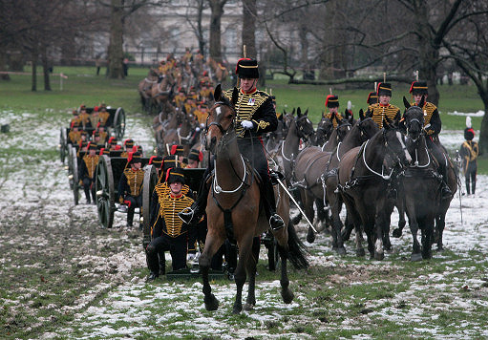
On a cold morning in February, the vision of flying a powered aircraft for the first time in Canada and the British Empire came to be when the Silver Dart took to the air above the frozen waters of Baddeck Bay in Cape Breton, Nova Scotia. 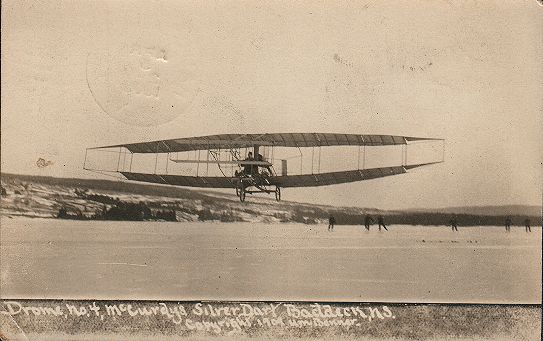 This inaugural Canadian aviation feat on February 23rd, 1909 was the result of innovative thinking, entrepreneurial spirit, unrelenting determination and a talented team of experts who had a common vision. When world-renowned and accomplished inventor Alexander Graham Bell decided to turn his gaze toward the skies and find a way for man to fly, it was based on a lifelong fascination with flight.
Read more at the Flight of the Silver Dart Centennial Celebration
Of all the hidden agendas the Conservative government in Ottawa has been suspected of harbouring, republicanism seems the least likely. In the past, the Tories were considered the federal party most inclined to support Canada's national institutions, from the military to the monarchy. Yet as Globe reporter Michael Valpy revealed on Saturday, the Harper government has rebuffed efforts to have the Prince of Wales visit Canada. The same, of course, applies to the Queen. Both have dined at the White House much more recently than they have last set foot in Canada. It does give rise to the thought that this particular hidden agenda might be genuine.
The Canadian government in fact has shown much less enthusiasm for visits by Canada's current head of state and her heir apparent than has the republic to the south. The Vancouver Organizing Committee for the 2010 Olympic and Paralympic Winter Games, the Mayor of Quebec City, and the province of Nova Scotia have all asked Ottawa to invite the Queen in recent years, and all were turned down by Canadian Heritage. The Globe on Saturday reported that the Prince of Wales, and various organizations he is associated with, have also been seeking permission to undertake a visit, and once again the requests have been shelved. The situation is such that the Liberal era of Jean Chrétien is now remembered by loyalists as a golden age for the Canadian Crown.
Yet Mr. Harper is not a republican. In his foreword to a book, Crown of Maples, published in 2008 by the federal government, Mr. Harper writes, "The Canadian Crown is central to our uniquely Canadian identity." He goes on to advocate "an even greater awareness and appreciation of this Canadian institution and its ongoing importance to so many aspects of our country's daily life and collective identity." His allegiance, then, need not be questioned. Only his strange way of showing it. If Canada is to remain a monarchy, and there are reasonable people on both sides of that particular debate, then it should welcome the Queen and the Prince of Wales.
The vanishing future monarch.
He's constitutionally Canada's next head of state. A top aide says he's keen to deepen his relationship with the country. He wants to visit, get to know people. He's arranged meetings with key Canadian philanthropic and community leaders with the aim of cementing connections with his own charitable interests.Sure, he does hang out with all the cool kids, but he'd love to swing by your place too. Just waiting by the phone, humming "Saturday Night is the Loneliest Night of the Week." Perhaps in the style of a Handel oratorio. Minority governments are hell on everyone's schedule, but surely a quick trip to Ottawa or Toronto could have been arranged? The Queen visited Alberta and Saskatchewan in 2005 to celebrates those two provinces' centenary. Since then Prince Edward (twice), Prince Andrew (three times) and Princess Anne have all shown up and exchanged dignified pleasantries with their ex-colonial subjects. Is the future George VII - his rumoured styling upon ascension - just not worth the price of admission? Perhaps I'm just paranoid, but methinks certain republican elements in the Canadian government are perfectly willing to have the people of Canada forget who their future sovereign is.
So where is he? Find the Prince of Wales. Find Charles Philip Arthur George.
He hasn't been here for eight years.
He wanted to come to Canada four years ago – to introduce his new wife on her first royal tour – but the federal government told him it likely wasn't a good idea because there might be an election campaign when he arrived. So he bypassed Canada and took Camilla, Duchess of Cornwall, to the United States, Australia and New Zealand.

For the first time in the history of the world, a young girl climbed into a tree one day a Princess and after having what she described as her most thrilling experience she climbed down from the tree next day a Queen — God bless her.

For you are beautiful, I have loved you dearly
More dearly than the spoken word can tell
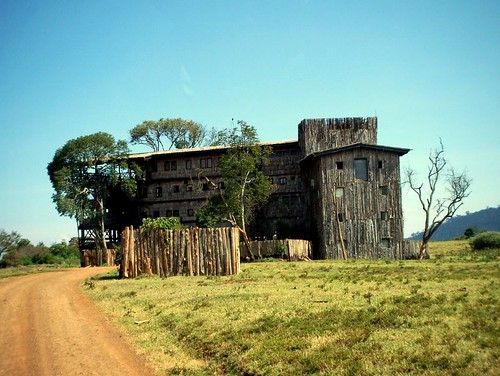
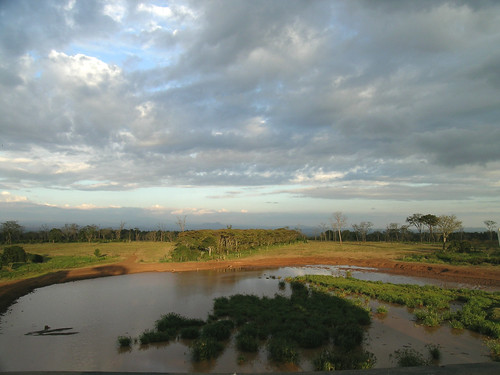


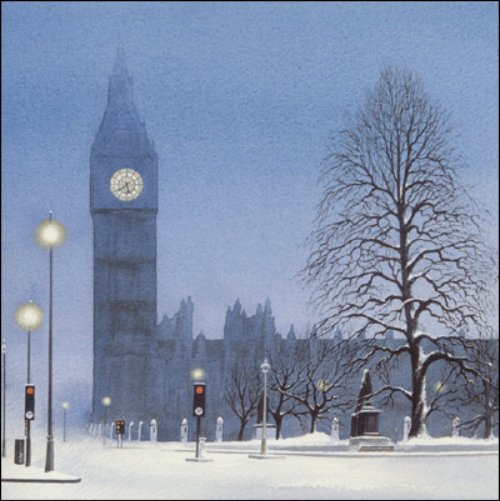
As a Canadian I can appreciate the message that snow brings out the best in people. London is enjoying the kind of winter it hasn't seen since 1991, perhaps even 1891, and all of a sudden a big cold heartless city is magically rendered a warm and gentle playing ground for people of all ages. There are reports that people are actually talking to one another in the streets, whispering such pleasantries as "hello" and "good morning" to complete strangers. It seems that civilisation has returned for a brief wintery moment.
The Canadian political crisis is over with Prime Minister Harper's (awful) budget passing in the Commons today. For the root of political and social tranquility in Canada, we need look no further than the Maple Crown.
"But even if better practices can be instituted to guide the parliamentary head of state (be it a monarchical or republican model) in determining whether all the possibilities of forming an effective government have been exhausted and that a hung parliament must be dissolved, some element of discretion will remain, and the system’s smooth functioning will depend on the good judgment and honourable behaviour of the key actors."
This statement is just so, and if the Canadian political crisis has taught us anything, it is that we cannot depend on the honour of our parliamentarians to get us out of these types of political messes, for they are the ones who get us into them. In these situations when parliament has become dysfunctional, when no act of parliament can be passed, when there is no mechanism in the written constitution we can defer to, and no judiciary we can turn to, the crisis can only be solved by the neutrality, dignity and independent power of the Crown itself. Indeed, a proclamation issued by the Queen under the discretionary powers of the Royal Prorogative, what AV Dicey called "the remaining portion of the Crown's original authority":
Proclamation Proroguing Parliament to January 26, 2009
ELIZABETH THE SECOND, by the Grace of God of the United Kingdom, Canada and Her other Realms and Territories QUEEN, Head of the Commonwealth, Defender of the Faith. To our Beloved and Faithful Senators of Canada, and the Members elected to serve in the House of Commons of Canada, and to all to whom these Presents may in any way concern,
A PROCLAMATION Whereas We have thought fit, by and with the advice of Our Prime Minister of Canada, to prorogue the present Parliament of Canada; Now know you that, We do for that end publish this Our Royal Proclamation and do hereby prorogue the said Parliament to Monday the twenty-sixth day of January, 2009.
IN TESTIMONY WHEREOF, We have caused this Our Proclamation to be published and the Great Seal of Canada to be hereunto affixed.
WITNESS: Our Right Trusty and Well-beloved Michaëlle Jean, Chancellor and Principal Companion of Our Order of Canada, Chancellor and Commander of Our Order of Military Merit, Chancellor and Commander of Our Order of Merit of the Police Forces, Governor General and Commander-in-Chief of Canada.
AT OUR GOVERNMENT HOUSE, in Our City of Ottawa, this fourth day of December in the year of Our Lord two thousand and eight and in the fifty-seventh year of Our Reign.
The Monarchist reported about eight months ago on the entry of the High Tory Gerald Warner into the pages of the Daily Telegraph, with Is It Just Me?, after the apparent sacking from Scotland on Sunday.
Gerald Warner did have a Scotland on Sunday column at the end of last June, and the Warner column occasionally ran until November. Since November 16, however, whilst blogging at the Daily Telegraph is going strong, Scotland on Sunday has been running a Warner column without exceptions. The column has been revived.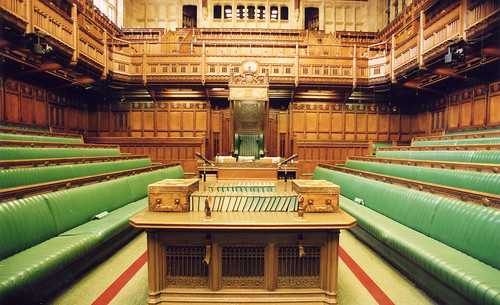 Writes Gerald Warner this Sunday:
The Lords are more representative than the scoundrels down the corridorReal sleaze can be found on Parliament's slime-green benches
THE controversy over alleged corruption in the House of Lords has provided an excuse for MPs to parade their hypocrisy, clapped-out modernisers to revive the canard of "Lords reform" and commentators to display their consummate ignorance of everything to do with the institution of the peerage.
Clearly, the allegations against the four peers must be investigated and, if well founded, punished. Otherwise, the issue is fogged in spin and stupidity. This is not House of Lords sleaze, any more than l'affaire Jonathan Aitken was described as Commons sleaze: it is Labour sleaze. It is typical of Labour, having ejected hundreds of hereditary peers of impeccable character and replaced them with its own nominees, when the latter sully the reputation of the Upper House to condemn the institution instead of the perpetrators. Sleaze allegations in the Lords are rare: can the same be said of the sanctimonious Commons?
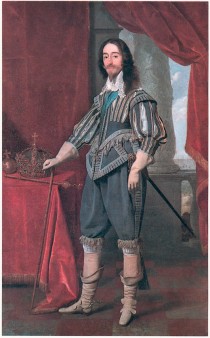 Three hundred and sixty years ago today the English Puritans dared to murder their anointed King. Kings had of course been killed before, but never so openly and never with the claim of "legality."
The American Society of King Charles the Martyr will hold its annual mass and meeting tomorrow at S. Stephen's Church in Providence, Rhode Island. The British SKCM of course commemorates the anniversary annually as well.
In this excerpt from Cromwell, Alec Guinness movingly portrays the King's final moments.
On the 131st anniversary (1780), as Americans were engaged in another rebellion against another King, the heroic loyalist Rev. Charles Inglis, rector of Trinity Wall Street, preached this sermon on "The Duty of Honouring the King." Other materials related to King Charles the Martyr can be found here.
Remember!
AMERICA, FAMOUSLY DEPRIVED BY ITS OWN HAND of an aristocracy of land and church, has one in the present day comprised of the pompous and the charlatan. They think just like Gladstone on the matter of man-marriage; Tom Hanks, or Lord Hanks of Sanctimony and Fathead-on-Thickneck, has said emphatically that those who voted in favour of Proposition 8, which overturned a narrow judicial imposition of gay marriage on the state of California, were un-American. But slaying that (in)judicial perversion in a hail of ballots is merely an excellent example of the stolid, plain-sighted, clear-minded yeoman stock of the average Yank (be he white, black, yellow, red or brown), or cut from however-so-much bits of cloth in this globalised age, (for the votes came equally from all minorities and majorities), rebuking the festering fools they are lamentably now stuck with for their lordly lords. We should defend them! In this instance they are absolutely correct. Gladstone’s heartfelt defense of homosexual marriage is a curious little flag to run up the Monarchist’s mast of a Monday morning. But it is the blankest white of surrender, and flaps only with the wind of the spirit of the age. It is terrible. Where shall it blow next? Who can tell? Of course, this post riding into the lists against him might seem a silly contest over a small point, but in being so small, it is perilously great. The true test of a conservative (or traditionalist, or monarchist, or gentleman), like Luther’s true test of a Christian, is not whether they will boldly stand for 99% of the Truth, but whether they will stand in the breach for that 1% presently being assailed. Their fidelity to nearly all of it is as nothing to their infidelity on the point being troubled. They are fair-weather friends; and in a sky filling with clouds, such men have a duty to correct themselves, or be corrected. Gladstone, sadly, has failed that test. And I do not blame him. It is a terrible prospect to stand before the world and be so uncivil and preposterous as to question the current orthodoxy on homosexuality. Marinated by sympathetic Hollywood storylines and characters, encouraged by leftist political hand-wringing and all-pervasive, swift-moving political correctness, and now coerced by what currently passes for ‘good form’ in the wife-swapping middle classes, where shall a traditionalist dare profess that he holds to the unbroken wisdom of the millennia, against the temporary experiments of the decade, on this matter? Only in a very, very small and safe room, from behind a very carefully constructed shield wall.
Here are some thoughts, anyway. (Read on)
1. Gay marriage is not just about gay marriage. This will sound harshest for those who think homosexual marriage is simply the means by which people can be made happy in their lives. But for better or worse, long before the idea of gay marriage ever turned up, there was no - and there remains no - prohibition on gay couples cohabiting permanently until death parts them. They are free to do so. In recent times they have always been free to do so. So that is not, in fact, what they are seeking. If they were, they wouldn’t be asking for gay marriage. They wouldn’t be asking for anything. In fact they are seeking society’s approval, religion’s benediction and authority’s enforcement; and for a verdict which agrees that there is no difference between monogamous sodomy and reproductive marriage, and that there has never been, and never shall be any such distinction. This cannot be allowed.
It would be the final nail in a coffin diligently put together by the liberal left these past fifty years, by which they seek once and for all to bury traditional marriage. And it would have society, religion and authority’s feckless hands driving it in. They wish to entomb that old relic at a time when social breakdown, moral decay, rampant youth crime and murder, mass illiteracy, paralysed birth-rates, cultural anarchy, and widespread hopelessness and depression tells us the that the world, having given it up, can scarcely live without it.
For the argument in favour of homosexual marriage has only been allowed to form even the most dim notion in the heads of those who now scream it from the rooftops, because heterosexual marriage has itself been transformed into something alien and odd since the Flesh Revolution of the 1960s. It is the only way that it has become even slightly plausible. You can only trick yourself into seeing some resemblance, you see, between the two, if you have transformed traditional heterosexual marriage likewise into a compact involving two bread-winners, lots of unproductive sex, interchangeability of gender roles, symmetry of duty and authority, separation from child-bearing, obsession with immediate satisfaction, and nothing else. And in so far as ordinary marriage has become like this, we already have gay marriage: it is what modern society has made of natural marriage. But natural men and women must reject this, all of this, and any further solidifying of the changes, which gay marriage would utterly confirm. It leads not to happiness, but to wrack and ruin, and innumerable broken marriages, and countless lost souls, and frenetic pathetic lusting, and the constant bloody Massacre of the Innocents, every day, in hospitals up and down our world, for the great cause of convenience.
I am not saying gay marriage causes this. I am saying gay marriage is the affirmation of this, and the confirmation of this decided change in the general notion of marriage - and the further postponement, and prevention, of it being mended. It crowns the false god. And we shall have a deal of time dethroning it if we keep going down this path.
2. The simple but obstinate matter of facts. I dislike it when people knowingly lay down reality for the comfort of wishful thinking (which, before any wise alecs say something stupid, differs from the Christian religion in so far as that religion is the comfort in reality by facing its harshest fact of death). Are people blind? Do they really need someone to stand forth and point out the blaring obvious fact that a contract of monogamous sodomy is not, has never been, and can never be the same as the Christian contract of holy matrimony? What have men or women with such desires got remotely in common with the complimentary, clearly purposeful (whether evolution or God is your, er, God), genuine and productive union of man and wife, in a long-term stable relationship ideal for the rearing of children, communication of virtue and prosperity, and the obviation of lust and loneliness in real complimentarity (rather than coincidence of desire)? What has one kind of relationship, prohibited by the ages and our ancestors, got to do with the other, lauded by the ages and our ancestors?
Christian (or heterosexual, or traditional) marriage, as Peter Marshall put it, is a coming together of two tributaries, which after they are joined together flow forever in a stronger course. They are not a treaty, nor even a federation, but a Union. And how shall we test if this is true? As with anything, by its fruits: and its fruits are children, and by them the binding together of society in generations, and by this the furtherance of civilisation in kindness, care, development, and slowly accrued, carefully handed on wisdom. It is the heart of the real great principle of true Progress: inheritance! It clearly works. I shall not name some of the more infamous fruits of homosexual relationships. I wish to be polite. But you see it cannot be the same thing. In terms of a family tree, it is deforestation. It is altogether a different beast. It is a complete and infantile category error to be even talking of gays 'marrying'.
And to say, in opposing such arguments, as many have, that the existence of childless traditional marriages must allow childless monogamous sodomy, is like saying that broken chairs license the production of chairs which were never designed to work. Likewise, bridging the childless gap with tubes and dishes and all manner of science scarcely less violent than that of Dr Frankenstein’s merely proves this (rather than, as some nonsensically say, erasing it).
3. The mixed-race argument is one too often trotted out without much thought or reason behind it. Gladstone is right in identifying this old perversion as wicked; but I should point out that it was, like gay marriage, precisely that: a perversion, or ineffectual and day-dreaming amendment of nature. And really the issue here would be if Gladstone was correct in saying that the quite correct alteration away from this brief error, post-Civil Rights, renders impossible all opposition to any other redefinition of marriage in the future (like gay marriage). Thank God he is wrong. The implications of being right almost don’t bear thinking about. Upon this basis nothing could withstand nuptials between dogs and Dutchmen, your fob watch and your left brogue, or your aunt and her Audi. (Or think of some more plausible horror, which I shall not dirty this website with, but which your average daily newspaper can undoubtedly furnish you with many suggestions for).
The issue here connects to a broader one: that of anchors. If we are not to make biology, or tradition, or religion our rule (because homosexuality and homosexual marriage radically defies all of those), we have thrown out every rational and successful measure and restriction of behaviour available to us. You can knock down such things, but whither shall you run for defence when society’s decay advances in another fashion? You are making what is polite and fashionable your final rule. This might seem at first quite proper, and superficially gentlemanly; but the truest gentleman bears no resemblance to the simpering, craven, substanceless man of such philosophy, who has always been known by the appellation - Cad.
4. And lastly, though it is a small thing in his original post, the matter of Mr Gladstone’s first rejecting altogether the Word of God, and then snatching a portion of it triumphantly to his chest in a victory pose. Such trifling use of any document would strike any disinterested observer as absurd; doing so with sacred things borders on the abominable. It is enough to remind him that nothing in scripture is inconsistent, as long as you are guided in your interpretation of any given text by all the rest of the scriptures, in whatever ways they may touch it. Clearly, a Bible which also warns against homosexuality, cannot possibly be later including it as a positive example of God’s love. Gladstone may indeed feel that he worships a God who he is allowed to stand roughly in the same sort of equation to as a gay man stands to his husband (if such love is, he says, godly); but he shall not go around buggering up Holy Scripture as long as I’m around here.
Please direct all hate mail to your lavatory and/or compost heap, c/o a flamethrower.
THE QUEEN WITH ALL HER ROYAL PALACES AND GOLD RICHES has always been a picture of parsimony, prudence, restraint and thrift compared to our insanely profligate political culture. All this massive public deficit spending led by that fiscal socialist, George W. Bush, the five trillion dollar man, is deeply deeply wasteful and hugely irresponsible, and will most certainly bite us all in the ass in the end. Gordon Brown too is a glutinous pig, so is Stephen Harper with his tens of billions in throwaways announced today, though not yet nearly to the same extent. Fiscal stimulus is a forlorn hope, at best government acts like a big clumsy retarded giant when attempting to pull and push the unwieldy, mammoth levers of a nation's economic pulse. Apart from handing money back to taxpayers to spend and save as they see fit, it is a criminally dumb thing to try and do. It won't work, it'll just saddle us with future gargantuan debt loads and it'll be decades before we climb back to where we were. We just never learn, do we. It's back to the future once again.
What this recession calls for is a little stinginess on the part of everyone, to save and invest for the future and stop overextending ourselves which got us into this credit mess in the first place. We need to become Scrooges not spendaholics to free ourselves from this cycle of debt and put us back on a sound footing once again. Short-term pain for long-term gain, instead of the other way around. But common sense and stingy doesn't sell in an economy and population and politicians addicted to the instant gratification of borrowed money.
I prefer stingy alright, I prefer stuffy dukes over slick politicians, like I prefer stern fathers over dead-beat dads. As always, count me with the minority. Democracy, the God that failed indeed.
Whilst The Monarchist is happily not prone to the Australian folk tradition of irreverence, mockery of authority and disregard for rigid norms of propriety, we do nevertheless have an enormous soft spot for that brave Commonwealth Down Under, which was claimed by the British Crown in 1770 and initially settled through penal transportation to the colony of New South Wales, founded on 26 January 1788.
In November of last year, California passed a ballot proposition which restricted the definition of marriage to be between a man and a woman. Perhaps this issue does not concern the Monarchy, but it does concern societal values and our culture, and I think that this blog is about that just as much as it is about Her Majesty's God-given right to be our Queen. Now, before I continue, I think it is important to note that I am a heterosexual, Anglican Christian, white male, with no great amount of homosexual friends or relatives, exactly the sort of person who you think would approve of Proposition 8.
And yet... I don't approve... and I find that as a conscientious gentleman, I can't approve of this. The world is not a fair place, and neither is life. Life is predisposed towards making human beings hateful and bitter, and true happiness is often fleeting. All these homosexual couples wish to do is be allowed to marry, to celebrate the love they feel for each other, to gain a little bit of that happiness that heterosexual married couples feel. And those same heterosexual couples are telling them that "No, you can't marry". How do you think it feels to be one of those people right now? Having been able to marry in your home with whomever you loved, but now having that taken way. All you other white religious gentlemen and ladies, who according to the polls are the ones who voted for Prop. 8, how would you feel if your right to marry the person you loved was taken away?
Some people who are against homosexual marriage will complain that it's 'redefining marriage' in the US. But let us remember that if the US hadn't redefined marriage before, white people would still not be able to marry black people. In 1967, fifteen seperate states had laws preventing the marriage of Caucasians and Africans. In 1967, Barack Obama's parents would not have been able to marry in fifteen of the states he would grow up to govern. Looking back further, black people could not even marry other black people, as slaves were property and not able to be husband and wife. Looking in from an outsider's perspective, as I am Canadian, I can clearly see that marriage has been redefined in the US at least twice, and both times for the moral good.
Others will say that homosexual marriage is an affront in the eyes of the Lord. Now, I can find and read the passages of the Bible which say that a 'man laying with another man' is a sin. But any gentleman or lady who takes the Bible literally is a pillock. And really, who are we to say what the Lord finds distasteful? We are but men, flawed as all humans are, and every religion is made of our own beliefs and opinions on what God is and what he teaches. I am a Christian man, I always have been and always will be, and I know there's something else the Bible says that is relevant on this matter: 'God is love, and he who abides in love abides in God, and God abides in him', from the first letter of John. It is clear from my, admittably limited, acquaintances with homosexuals that they love each other, and as a Christian I cannot conscientiously object to love. Being heterosexual, perhaps I cannot understand how they love each other, but I can see that they can, and that their love is a true and as whole as that of any married couple i've known, even moreso in certain cases. The world is entirely too short on love between human beings these days, why would anyone want to impede people who just want to let a little more of it into our world?
America has simply replaced the pomp and ceremony of hereditary monarchy with the pomp and ceremony of elected monarchy. An American Coronation, writes the Los Angeles Times, and who can disagree with them given the lavish preparations now underway in Washington. Words can be deceiving, but appearances generally are not.
It was a century ago when Theodore Roosevelt explained that an American President is "an elective King", making the implausible point that the United States was essentially a monarchical country within a republican framework. Contrast the power of His Mightiness with the limitations of our own Monarch, and you see increasingly the reverse in Commonwealth countries; that is, republican governments camouflaged within a monarchical framework, to the point where they effectively become "crowned republics" completely sapped of their royalist spirit.
As David Flint points out in President Obama: the elective King inaugurated, "The considerable British jurist, Lord Hailsham explained that the American system centres on ‘an elective monarchy with a king who rules with a splendid court and even...a royal family, but does not reign.’ He contrasted this with the Westminster system which he said involves ‘a republic with an hereditary life president, who being a queen, reigns but does not rule’."
But the important fact here is that both trends run contrary to the conservative impulse, as both are marked by a distinct lack of constitutional deference. American republicans are weary of their countrymen swooning over Princess Obama and becoming a monarchy in all but name, and Commonwealth monarchists are concerned about the increasing emasculation of their own constitutions, with the creeping regicide of Her Majesty.
The BBC's Katty Kay, for her part, is somewhat appalled at "the coronation of King Obama":
So this is why you booted us out a couple of centuries ago. You simply replaced the pomp and ceremony of hereditary monarchy and with the pomp and ceremony of elected monarchy. OK, you didn't opt for the dynastic duo of Bush and Clinton, which really had us scratching our crowned European heads, but the fanfare with which Caroline Kennedy has entered the political picture suggests your infatuation with royal families is still not over.Certainly it is no secret that the political ambition of the British Left is to abolish the British Monarchy, but how does one square that with the Kennedyesque tendency of the American Left to institute its own national dynasty? Probably because the Left wants untrammeled democracy, equality and "progress", and the Right wants limited democracy, liberty and constitutionalism.
This week Washington feels like London in the run up to one of our own grand royal events. Hostesses twitter on the phone, or just Twitter, to woo A-list guests to pre- and post-inauguration parties. A-list guests measure their piles of invites in feet, not inches...
Still, there is a more serious problem with treating Barack Obama as an elected monarch; one that affects us journalists, in particular. Put a man on a pedestal and suddenly it's hard for the press to drag him through the political wringer. It happened in 2003 in the run up to the invasion of Iraq and risks happening again.
In Britain, we invest the Queen with our ceremonial hopes which leaves us free to treat our prime minister as exactly what he is—an elected official, paid for by the taxpayers, and serving at the people's will. While George W. Bush was being asked patsy questions by a subdued White House press corps, Tony Blair was being drubbed by un-cowed political hacks. It is far easier to do when you don't stand the moment the man walks into the room.
Step one in the recovery of our civilization: zero tolerance for dust jackets.
— David Warren

 DEFENDER OF THE FAITH
 KING AND COUNTRY
 LORD OF THE BLOG
 THE WEEPING CAVALIER
 THE GENTLEMAN
 THE PROUD TOWER


 The Daily Telegraph
 Lord Black of Crossharbour
 Gerald Warner
 Andrew Cusack
Brits at their Best
Andrew Cusack
Brits at their Best
 David Flint
David Warren
Peter Hitchens
Taki's Magazine
Archbishop Cranmer
Gods of the Copybook Headings
A Letter To The Times
God Save the Queen!
David Flint
David Warren
Peter Hitchens
Taki's Magazine
Archbishop Cranmer
Gods of the Copybook Headings
A Letter To The Times
God Save the Queen!
 Maintain Personal Union!
 Save the Imperial Standard!
Restore the Hereditary Lords!
I Believe in the Elite for All!
Save the Imperial Standard!
Restore the Hereditary Lords!
I Believe in the Elite for All!
 The Radical Tory Manifesto!
Bring Back the Stiff Upper Lip!
Revive Sirs and Knighthoods!
The Radical Tory Manifesto!
Bring Back the Stiff Upper Lip!
Revive Sirs and Knighthoods!
 Bring Back the RCN/RCAF!
For Liberty and Livelihood!
Save the Scottish Regiments!
Bring Back the RCN/RCAF!
For Liberty and Livelihood!
Save the Scottish Regiments!
 N.Z. Restores Knighthoods!
Zero Tolerance for Dust Jackets!
Keep the Gentleman's Necktie!
Repeal the Foxhunting Ban!
Abolish the "HR" Commissions!
I Want a Referendum.Com!
Modern Art is Rubbish!
N.Z. Restores Knighthoods!
Zero Tolerance for Dust Jackets!
Keep the Gentleman's Necktie!
Repeal the Foxhunting Ban!
Abolish the "HR" Commissions!
I Want a Referendum.Com!
Modern Art is Rubbish!
 QUEEN ELIZABETH II (1952 -)
King George VI (1936-52)
King Edward VIII (1936)
King George V (Windsor)
King Edward VII (Saxe-Coburg)
Queen Victoria (1837-1901)
QUEEN ELIZABETH II (1952 -)
King George VI (1936-52)
King Edward VIII (1936)
King George V (Windsor)
King Edward VII (Saxe-Coburg)
Queen Victoria (1837-1901)
 King William IV (1830-37)
King George IV (1820-30)
King William IV (1830-37)
King George IV (1820-30)
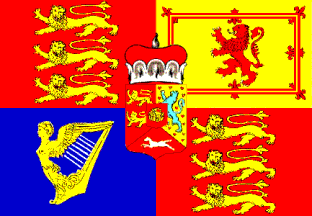 King George III (1760-1820)
King George II (1727-60)
King George I (Hanover)
King George III (1760-1820)
King George II (1727-60)
King George I (Hanover)
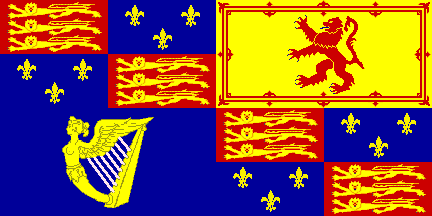 Queen Anne (1702-14)
King William III (Orange)
King James II (1685-88)
King Charles II (1660-85)
Queen Anne (1702-14)
King William III (Orange)
King James II (1685-88)
King Charles II (1660-85)
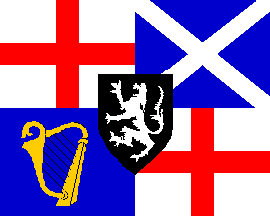 Richard Cromwell (1658-59)
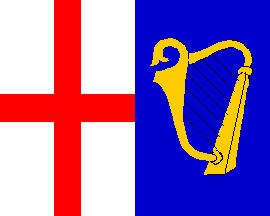 Oliver Cromwell ("Protector")
King Charles I ("Martyr")
King James I (Stuart)
Oliver Cromwell ("Protector")
King Charles I ("Martyr")
King James I (Stuart)
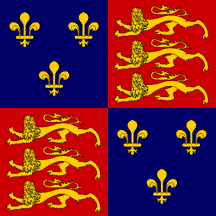 Queen Elizabeth I ("Gloriana")
Queen Mary ("Bloody Mary")
Lady Jane Grey (Regent)
King Edward VI (1547-53)
King Henry VIII ("Majesty")
King Henry VII (Tudor)
Queen Elizabeth I ("Gloriana")
Queen Mary ("Bloody Mary")
Lady Jane Grey (Regent)
King Edward VI (1547-53)
King Henry VIII ("Majesty")
King Henry VII (Tudor)
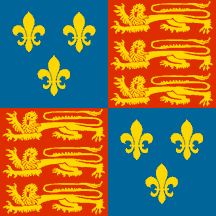 King Richard III (1483-85)
King Edward V (1483)
King Edward IV (York)
King Henry VI (1422-61)
King Henry V (1413-22)
King Henry IV (Lancaster)
King Richard II (1377-99)
King Edward III (1327-77)
King Richard III (1483-85)
King Edward V (1483)
King Edward IV (York)
King Henry VI (1422-61)
King Henry V (1413-22)
King Henry IV (Lancaster)
King Richard II (1377-99)
King Edward III (1327-77)
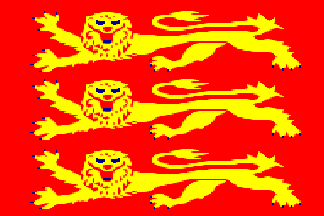 King Edward II (1307-27)
King Edward I ("Longshanks")
King Henry III (1216-72)
King John (Magna Carta)
King Edward II (1307-27)
King Edward I ("Longshanks")
King Henry III (1216-72)
King John (Magna Carta)
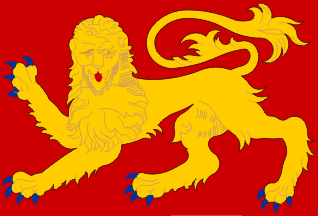 King Richard I ("Lionheart")
King Henry II (Plantagenet)
King Stephen (House of Blois)
King Henry I (Charter Liberties)
King William II ("Rufus")
King William I ("Conqueror")
King Harold II (Godwinson)
King Edward ("Confessor")
King Richard I ("Lionheart")
King Henry II (Plantagenet)
King Stephen (House of Blois)
King Henry I (Charter Liberties)
King William II ("Rufus")
King William I ("Conqueror")
King Harold II (Godwinson)
King Edward ("Confessor")
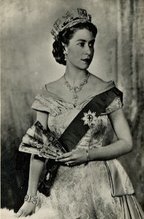 HER MAJESTY
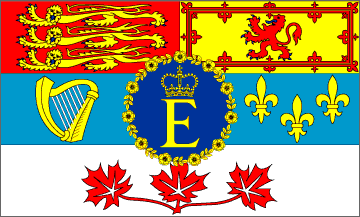 Queen of Canada
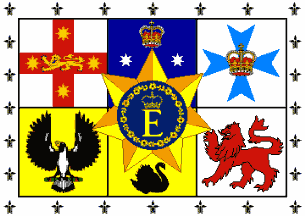 Queen of Australia
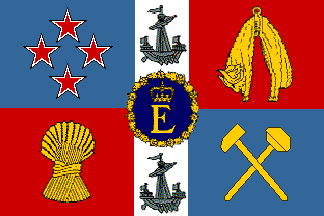 Queen of New Zealand
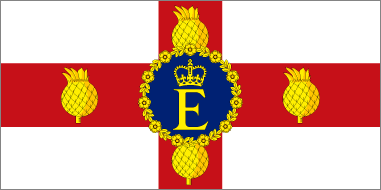 Queen of Jamaica
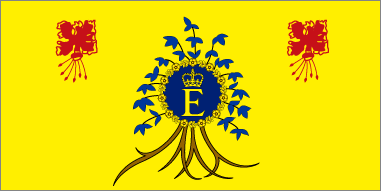 Queen of Barbados
Commonwealth Realms
Style of the British Sovereign
Queen of Barbados
Commonwealth Realms
Style of the British Sovereign
 The Prince Consort
 The Prince of Wales
 The Duke of York.Org
The Monarchy Today
Monarchy Media Centre
History of the Monarchy
Royal Art and Residences
Royal Society Portrait Painters
The Royal Collection
The Queen's Images
The Royal YouTube Channel
Official Royal Image Library
LOYAL PROCLAMATION
The Duke of York.Org
The Monarchy Today
Monarchy Media Centre
History of the Monarchy
Royal Art and Residences
Royal Society Portrait Painters
The Royal Collection
The Queen's Images
The Royal YouTube Channel
Official Royal Image Library
LOYAL PROCLAMATION
 BLOG PATRON
Sir Winston Churchill
Churchill Online
Churchill Great Republic
THE CHURCHILL CENTRE
Churchill for Democracy
The Churchill Society, London
English-Speaking Peoples
International Churchill Society
International Churchill Society
Battle of Britain Society
Last Romantic Zionist Gentile
USS Winston S. Churchill
Their Finest Hour
The Last of the Few
Sunlit Uplands
Churchill Books
BLOG PATRON
Sir Winston Churchill
Churchill Online
Churchill Great Republic
THE CHURCHILL CENTRE
Churchill for Democracy
The Churchill Society, London
English-Speaking Peoples
International Churchill Society
International Churchill Society
Battle of Britain Society
Last Romantic Zionist Gentile
USS Winston S. Churchill
Their Finest Hour
The Last of the Few
Sunlit Uplands
Churchill Books
 Society of British Columbia
Chartwell House
Chartwell and Churchill
Society of British Columbia
Chartwell House
Chartwell and Churchill
 Romeo Y Julieta
Blenheim Palace
The Duke of Marlborough
Romeo Y Julieta
Blenheim Palace
The Duke of Marlborough
 Cuvée Sir Winston Churchill
Churchill College, Cambridge
Churchill Archives Centre
Churchill Memorial Trust
Buried in Bladon
Cuvée Sir Winston Churchill
Churchill College, Cambridge
Churchill Archives Centre
Churchill Memorial Trust
Buried in Bladon
 CONSERVATISM
Conservative Home
Conservative Central
Conservative Union
Edmund Burke Society
Samuel Johnson Society
CONSERVATISM
Conservative Home
Conservative Central
Conservative Union
Edmund Burke Society
Samuel Johnson Society
 Johnson Society of London
Sir Walter Scott Club
Sir Robert Peel
Baldwin and Lafontaine
MacDonald and Cartier
Benjamin Disraeli
Christopher Dawson Archives
The Salisbury Review
Marquess of Salisbury
Taki's Magazine
The Freedom Association
Sir Robert Menzies
The Churchill Society
T.S. Eliot Society
George Grant
Russell Kirk Center
Johnson Society of London
Sir Walter Scott Club
Sir Robert Peel
Baldwin and Lafontaine
MacDonald and Cartier
Benjamin Disraeli
Christopher Dawson Archives
The Salisbury Review
Marquess of Salisbury
Taki's Magazine
The Freedom Association
Sir Robert Menzies
The Churchill Society
T.S. Eliot Society
George Grant
Russell Kirk Center
 Erik von Kuehnelt-Leddihn
 Alexander Solzhenitsyn
William F. Buckley
Roger Scruton Page
Right Reason
CIVITAS
Samuel Francis Index
Malcolm Muggeridge Society
Michael Oakshott Association
G.K. Chesterton Society
Why I became a conservative
The Conservative Mind
The Meaning of Conservatism
Liberty or Equality
Reflections on French Revolution
Alexander Solzhenitsyn
William F. Buckley
Roger Scruton Page
Right Reason
CIVITAS
Samuel Francis Index
Malcolm Muggeridge Society
Michael Oakshott Association
G.K. Chesterton Society
Why I became a conservative
The Conservative Mind
The Meaning of Conservatism
Liberty or Equality
Reflections on French Revolution

 Posts
All Comments
HOUSE OF WINDSOR
British Royal Family
Her Majesty The Queen
HRH The Duke of Edinburgh
HRH Prince Charles of Wales
HRH The Duchess of Cornwall
Posts
All Comments
HOUSE OF WINDSOR
British Royal Family
Her Majesty The Queen
HRH The Duke of Edinburgh
HRH Prince Charles of Wales
HRH The Duchess of Cornwall
 HRH Prince William of Wales
 HRH Prince Henry of Wales
 HRH The Princess Royal
HRH The Duke of York
HRH The Earl of Wessex
HRH The Countess of Wessex
HRH The Princess Royal
HRH The Duke of York
HRH The Earl of Wessex
HRH The Countess of Wessex
 HRH The Duke of Gloucester
HRH The Duchess of Gloucester
HRH The Duke of Kent
HRH The Duchess of Kent
HRH Prince Michael of Kent
HRH Princess Michael of Kent
HRH Princess Alexandra
Lord Mountbatten of Burma
MONARCHY.NET
Monarchist League of Canada
Australian Monarchist League
Monarchist League of NZ
HRH The Duke of Gloucester
HRH The Duchess of Gloucester
HRH The Duke of Kent
HRH The Duchess of Kent
HRH Prince Michael of Kent
HRH Princess Michael of Kent
HRH Princess Alexandra
Lord Mountbatten of Burma
MONARCHY.NET
Monarchist League of Canada
Australian Monarchist League
Monarchist League of NZ
 Monarchy Wales
Monarchy New Zealand
American Monarchist League
Canadian Royal Heritage Trust
Monarchy Wales
Monarchy New Zealand
American Monarchist League
Canadian Royal Heritage Trust
 Orange Lodge of Ireland
Orange Lodge of Canada
Orange Lodge of England
Orange Lodge of Australia
Loyal Orange Institution
Orange Historical Site
For Constitutional Monarchy
Junior Lodge of Ireland
Society of United Royalists
Monarchist Society of America
Royal Over-Seas League
The Victoria League
THE QUEEN
The Royalist
The Loyalist
Tory Heaven
An Irish Tory
Australian Spirit
Classic Canadian
Altar and Throne
Radical Royalist
Royal Portraits
Royal Anecdotes
Tea at Trianon
NO REPUBLIC!
English Loyalists
Throne and Altar
Oz Conservative
The Young Fogey
Queen and Country
The American Monarchist
For Queen and Country
Australian Young Fogey
Let Britannia Rise
God Save The Queen
New Zealand Monarchy
The Oxford Monarchists
The Durham Monarchists
Mandy's British Royalty
Australian Monarchist Alliance
Canadian Monarchist Online
Aristocracy Anecdotes
Aussie Republic Unplugged
The Commonwealth Monarchist
Our Monarchy/Heritage/Future
GENTLEMAN
Richard Stone
Gerald Warner
Andrew Cusack
Robert Finch
Dr. David Flint
Taki Theodoracopulos
Guy Stair Sainty
Rafal Heydel-Mankoo *
Jim Frecklington, OAM
Theodore Harvey *
Richard Toporoski
Peter Hitchens
Holden Royalist
The Realm of J.J.
Orange Lodge of Ireland
Orange Lodge of Canada
Orange Lodge of England
Orange Lodge of Australia
Loyal Orange Institution
Orange Historical Site
For Constitutional Monarchy
Junior Lodge of Ireland
Society of United Royalists
Monarchist Society of America
Royal Over-Seas League
The Victoria League
THE QUEEN
The Royalist
The Loyalist
Tory Heaven
An Irish Tory
Australian Spirit
Classic Canadian
Altar and Throne
Radical Royalist
Royal Portraits
Royal Anecdotes
Tea at Trianon
NO REPUBLIC!
English Loyalists
Throne and Altar
Oz Conservative
The Young Fogey
Queen and Country
The American Monarchist
For Queen and Country
Australian Young Fogey
Let Britannia Rise
God Save The Queen
New Zealand Monarchy
The Oxford Monarchists
The Durham Monarchists
Mandy's British Royalty
Australian Monarchist Alliance
Canadian Monarchist Online
Aristocracy Anecdotes
Aussie Republic Unplugged
The Commonwealth Monarchist
Our Monarchy/Heritage/Future
GENTLEMAN
Richard Stone
Gerald Warner
Andrew Cusack
Robert Finch
Dr. David Flint
Taki Theodoracopulos
Guy Stair Sainty
Rafal Heydel-Mankoo *
Jim Frecklington, OAM
Theodore Harvey *
Richard Toporoski
Peter Hitchens
Holden Royalist
The Realm of J.J.
 J.K. Baltzersen
Philip Benwell, MBE
Dr. Roy Eappen
Neil Welton
Charles Coulombe, KCStS
Alexander Stoddart
Padre Benton
Dr. Noel Cox
Joseph Crisp
Alan Goudman
Jeremy Paxman
Matt Bondy
J.K. Baltzersen
Philip Benwell, MBE
Dr. Roy Eappen
Neil Welton
Charles Coulombe, KCStS
Alexander Stoddart
Padre Benton
Dr. Noel Cox
Joseph Crisp
Alan Goudman
Jeremy Paxman
Matt Bondy
 LORD OF THE BLOG
An Englishman's Castle
Albion's Seedlings
The Blogging Tories
Tory Diary
Kiwi Blog
Irish Elk
Tory Heaven
One Dominion
The Victorian Peeper
The Red Ensign Brigade
Bring Back The British Empire
The Daily Bayonet
The Dominion Institute Blog
Adam Smith Institute Blog
The Witanagemot Club
Very British Subjects
Occam's Carbuncle
The Liberty Papers
The Commonwealth Realm
The Prince of Darkness
Kiwi Examiner
Our Kingdom NEW!
England Expects
Dragon's Fire
Captain's Quarters
Tory Historian
Lord Kitchener's Own
The English Crusade
The British North America Blog
In the name of God, go!
Sir Humphrey's
100 Years Ago Today
The Anglo Saxon Chronicle
Wilson Revolution Unplugged
The Salisbury Pages
The Lord Protector
Archbishop Cranmer
Canterbury Tales
Geoffrey Chaucer Hath a Blog
LORD OF THE BLOG
An Englishman's Castle
Albion's Seedlings
The Blogging Tories
Tory Diary
Kiwi Blog
Irish Elk
Tory Heaven
One Dominion
The Victorian Peeper
The Red Ensign Brigade
Bring Back The British Empire
The Daily Bayonet
The Dominion Institute Blog
Adam Smith Institute Blog
The Witanagemot Club
Very British Subjects
Occam's Carbuncle
The Liberty Papers
The Commonwealth Realm
The Prince of Darkness
Kiwi Examiner
Our Kingdom NEW!
England Expects
Dragon's Fire
Captain's Quarters
Tory Historian
Lord Kitchener's Own
The English Crusade
The British North America Blog
In the name of God, go!
Sir Humphrey's
100 Years Ago Today
The Anglo Saxon Chronicle
Wilson Revolution Unplugged
The Salisbury Pages
The Lord Protector
Archbishop Cranmer
Canterbury Tales
Geoffrey Chaucer Hath a Blog
 Sir Robert Bond Papers
Kiwi Pundit
My Flanders Fields
Alfred the OK
Veritas
Brit Blog
The Crusader
Burkean Canuck
Arthur's Seat
Chesterton and Friends
Lord Feverstone
Gods of the Copybook Headings
Freedom and Whiskey
Samizdata
Old Whig's Brain Dump
Mild Colonial Boy
Tommy English
The Torch
Officer's Club
Guy Fawkes' Blog
New Cultural Forum
Armavirumque
Kingdom of Chaos
The Young Fogey
Australian Young Fogey
Red Ensign Society of Canada
Postmodern Conservative NEW!
ROYAL INSIGHT
Majesty Magazine
The Salisbury Review
The New Criterion
The Chap Magazine NEW!
Savile Row Style
Arts & Letters Daily
Burke's Peerage and Gentry
The American Conservative
New English Review
Kingston Whig-Standard
Victoria Times Colonist
Chronicles Magazine
Baronage
The Herald
The Times
The Australian
The Telegraph...Blogs
National Review...Corner
The Spectator...CoffeeHouse
NORUMBEGA
Marlborough Express
Western Standard RIP
Taki's Magazine
The Brussels Journal
VDARE.COM
The Scotsman
Globe and Mail
STUFF.CO.NZ
New York Sun RIP
Dominion Post
National Post
Quadrant Magazine
Macleans Magazine
Nelson Mail
Defence News
Gilbert Magazine
GENTLEMAN
Gerald Warner
Roger Scruton
Mark Steyn
Daniel Larison
Simon Heffer
Andrew Bolt
Andrew Roberts
Kevin Myers
Daniel Hannan, M.E.P.
Lew Rockwell
John Derbyshire
John Fox
Peter Brimelow
Andrew Cusack
Kathy Shaidle
Peggy Noonan
John O'Sullivan
David Flint
Congressman Ron Paul
Theodore Dalrymple
David Warren
Boris Johnson, M.P.
Taki Theodoracopulos
Michael Gove, M.P.
Tim Blair
Nigel Farage, M.E.P.
Rex Murphy
George Will
Jim Hopkins
Peter Hitchens
Andrew Coyne
Tim Worstall
James C. Bennett
Robert Conquest
Chas Krauthammer
George Jonas
William Rees-Mogg
Tom Utley son of Peter Utley
William Gairdner
Keith Windschuttle
Roger Kimball
Iain Dale
James Bowman
Colby Cosh
John Redwood, M.P.
Sir Robert Bond Papers
Kiwi Pundit
My Flanders Fields
Alfred the OK
Veritas
Brit Blog
The Crusader
Burkean Canuck
Arthur's Seat
Chesterton and Friends
Lord Feverstone
Gods of the Copybook Headings
Freedom and Whiskey
Samizdata
Old Whig's Brain Dump
Mild Colonial Boy
Tommy English
The Torch
Officer's Club
Guy Fawkes' Blog
New Cultural Forum
Armavirumque
Kingdom of Chaos
The Young Fogey
Australian Young Fogey
Red Ensign Society of Canada
Postmodern Conservative NEW!
ROYAL INSIGHT
Majesty Magazine
The Salisbury Review
The New Criterion
The Chap Magazine NEW!
Savile Row Style
Arts & Letters Daily
Burke's Peerage and Gentry
The American Conservative
New English Review
Kingston Whig-Standard
Victoria Times Colonist
Chronicles Magazine
Baronage
The Herald
The Times
The Australian
The Telegraph...Blogs
National Review...Corner
The Spectator...CoffeeHouse
NORUMBEGA
Marlborough Express
Western Standard RIP
Taki's Magazine
The Brussels Journal
VDARE.COM
The Scotsman
Globe and Mail
STUFF.CO.NZ
New York Sun RIP
Dominion Post
National Post
Quadrant Magazine
Macleans Magazine
Nelson Mail
Defence News
Gilbert Magazine
GENTLEMAN
Gerald Warner
Roger Scruton
Mark Steyn
Daniel Larison
Simon Heffer
Andrew Bolt
Andrew Roberts
Kevin Myers
Daniel Hannan, M.E.P.
Lew Rockwell
John Derbyshire
John Fox
Peter Brimelow
Andrew Cusack
Kathy Shaidle
Peggy Noonan
John O'Sullivan
David Flint
Congressman Ron Paul
Theodore Dalrymple
David Warren
Boris Johnson, M.P.
Taki Theodoracopulos
Michael Gove, M.P.
Tim Blair
Nigel Farage, M.E.P.
Rex Murphy
George Will
Jim Hopkins
Peter Hitchens
Andrew Coyne
Tim Worstall
James C. Bennett
Robert Conquest
Chas Krauthammer
George Jonas
William Rees-Mogg
Tom Utley son of Peter Utley
William Gairdner
Keith Windschuttle
Roger Kimball
Iain Dale
James Bowman
Colby Cosh
John Redwood, M.P.
 THE BRITISH EMPIRE
Imperial State Crown
The Empire Club of Canada
Commonwealth War Graves
For King and Empire
British Peoples League
American Loyalist Institute
Land Forces of the Empire
Royal Over-Seas League
Imperium et Libertas
United Empire Loyalists
Ex-Services League
Red Ensign Society of Canada
Imperial War Museum
Daughters of Empire
Empire on the Bay
British Empire Museum
Royal Commonwealth Society
The Victorian Peeper
British East India Co.
The British North America Blog
Order of the British Empire
Imperial Bank of Commerce
Dominion of British West Florida
The Victoria League
United Commonwealth Society
Hudson Bay Company
Empire State Building
Victorian Station
The North West Company
Imperial Glory
British Club Worldwide
The Emperor's Club
The Imperial Mail
Proud to be British Aussies
Taylor & Company Blog
British Expats
THE BRITISH EMPIRE
Imperial State Crown
The Empire Club of Canada
Commonwealth War Graves
For King and Empire
British Peoples League
American Loyalist Institute
Land Forces of the Empire
Royal Over-Seas League
Imperium et Libertas
United Empire Loyalists
Ex-Services League
Red Ensign Society of Canada
Imperial War Museum
Daughters of Empire
Empire on the Bay
British Empire Museum
Royal Commonwealth Society
The Victorian Peeper
British East India Co.
The British North America Blog
Order of the British Empire
Imperial Bank of Commerce
Dominion of British West Florida
The Victoria League
United Commonwealth Society
Hudson Bay Company
Empire State Building
Victorian Station
The North West Company
Imperial Glory
British Club Worldwide
The Emperor's Club
The Imperial Mail
Proud to be British Aussies
Taylor & Company Blog
British Expats
 KING'S COLLEGE
University of Oxford (1167)
University of Cambridge (1209)
University St. Andrews (1410)
University of Glasgow (1451)
King's College, Aberdeen (1495)
Harvard University (1636)
College William & Mary (1693)
Yale University (1701)
Princeton University (1746)
King's College, Columbia (1754)
KING'S COLLEGE
University of Oxford (1167)
University of Cambridge (1209)
University St. Andrews (1410)
University of Glasgow (1451)
King's College, Aberdeen (1495)
Harvard University (1636)
College William & Mary (1693)
Yale University (1701)
Princeton University (1746)
King's College, Columbia (1754)
 University King's College (1789)
 McGill University (1821)
King's College, Toronto (1827)
King's College London (1829)
King's College School (1829)
Queen's University (1841)
Queensland University (1909)
KING'S SCHOLAR
Westminster School (1179)
Winchester College (1382)
ETON COLLEGE (1440)
Saint Paul's School (1509)
Shrewsbury School (1552)
Merchant Taylors' School (1561)
Rugby School (1567)
Harrow School (1572)
Charterhouse School (1611)
Upper Canada College (1829)
Gordonstoun (1933)
McGill University (1821)
King's College, Toronto (1827)
King's College London (1829)
King's College School (1829)
Queen's University (1841)
Queensland University (1909)
KING'S SCHOLAR
Westminster School (1179)
Winchester College (1382)
ETON COLLEGE (1440)
Saint Paul's School (1509)
Shrewsbury School (1552)
Merchant Taylors' School (1561)
Rugby School (1567)
Harrow School (1572)
Charterhouse School (1611)
Upper Canada College (1829)
Gordonstoun (1933)
 DIEU ET MON DROIT
The Devine Right of Kings
House of God, House of Kings
Throne and Altar
Order of Succession
Royal Line of Succession
King is Dead. Long Live the King!
The Interregnum
Accession Proclamation
QUEEN'S CORONATION:
Swearing of the Oath
Presenting of the Holy Bible
Anointing with Holy Oil
Presenting of Spurs and Sword
Investing with the Armills
Delivery of the Orb
Investiture and Crowning
"God Save the Queen!"
The Benediction
Enthroning and Homage
Holy Communion and the Recess
CROWN JEWELS
Jewel House, Tower of London
DIEU ET MON DROIT
The Devine Right of Kings
House of God, House of Kings
Throne and Altar
Order of Succession
Royal Line of Succession
King is Dead. Long Live the King!
The Interregnum
Accession Proclamation
QUEEN'S CORONATION:
Swearing of the Oath
Presenting of the Holy Bible
Anointing with Holy Oil
Presenting of Spurs and Sword
Investing with the Armills
Delivery of the Orb
Investiture and Crowning
"God Save the Queen!"
The Benediction
Enthroning and Homage
Holy Communion and the Recess
CROWN JEWELS
Jewel House, Tower of London
 The Stone of Scone (847 A.D.)
King Edward's Chair (1296)
Crown of Scotland (1540)
St. Edward's Crown (1661)
Mary Modena's Crown (1661)
Sceptre with the Cross (1661)
Sceptre with the Dove (1661)
The Sovereign's Orb (1661)
Sword of Mercy (Curtana)
Sword of Offering (1820)
George IV State Diadem (1820)
Coronation Ring (1831)
Imperial Crown of India (1911)
Imperial State Crown (1937)
Gold Armills and Royal Robe
Colobium Sindonis
Royal Regalia
The Sleeping King
QUEEN AND CHURCH
The Supreme Governor
The Stone of Scone (847 A.D.)
King Edward's Chair (1296)
Crown of Scotland (1540)
St. Edward's Crown (1661)
Mary Modena's Crown (1661)
Sceptre with the Cross (1661)
Sceptre with the Dove (1661)
The Sovereign's Orb (1661)
Sword of Mercy (Curtana)
Sword of Offering (1820)
George IV State Diadem (1820)
Coronation Ring (1831)
Imperial Crown of India (1911)
Imperial State Crown (1937)
Gold Armills and Royal Robe
Colobium Sindonis
Royal Regalia
The Sleeping King
QUEEN AND CHURCH
The Supreme Governor
 The Vicar of Christ
Chair of Saint Augustine
The Anglican Communion
The Church of England
The Church of Scotland
The Church of Ireland
The Vicar of Christ
Chair of Saint Augustine
The Anglican Communion
The Church of England
The Church of Scotland
The Church of Ireland
 The Church in Wales
The Church of Rome
Anglican Church of Canada
Anglican Church of Australia
Anglican Church New Zealand
Anglican Catholic Church
Episcopal Church in the USA
Scottish Episcopal Church
Archbishop of Canterbury
Canterbury Cathedral
Archbishop of York
York Minster Cathedral
Dean of Westminster
WESTMINSTER ABBEY
Dean of Windsor
St. George's Chapel, Windsor
St. Giles' Cathedral
St. Paul's Cathedral
English Clergy Association
Anglicans in Africa
King Charles the Martyr
Catholic Church in England
Presbyterian Church Canada
Presbyterian Church Australia
Presbyterian Church of NZ
Orthodox Presbyterian Church
Presbyterian Church (USA)
Presbyterian Church America
Scottish Christian.com
Anglicans Online
ST. GEORGE'S CHAPEL
Royal Society of St. George
St. George's Society New York
St. George's Society Toronto
St. George Greater Vancouver
Alberta St. George of England
St. George Melbourne
St. George Birmingham
The St. Andrew's Society
New York Caledonian Club
St. Andrew's of Toronto
St. Andrew's of Montreal
Royal Caledonian South Oz
Royal Caledonian Melbourne
Saint David
St.David Society of Toronto
St. David's Society of Montreal
St. David Society of Baltimore
St. David's Cathedral
Victoria Welsh Society
St. Patrick's New York
St. Patrick's of Montreal
The St. Patrick Centre
The Ulster Society
Ulster Loyal
St. Patrick's Day
St. Patrick's Basilica, Ottawa
SAINT NICHOLAS
The Church in Wales
The Church of Rome
Anglican Church of Canada
Anglican Church of Australia
Anglican Church New Zealand
Anglican Catholic Church
Episcopal Church in the USA
Scottish Episcopal Church
Archbishop of Canterbury
Canterbury Cathedral
Archbishop of York
York Minster Cathedral
Dean of Westminster
WESTMINSTER ABBEY
Dean of Windsor
St. George's Chapel, Windsor
St. Giles' Cathedral
St. Paul's Cathedral
English Clergy Association
Anglicans in Africa
King Charles the Martyr
Catholic Church in England
Presbyterian Church Canada
Presbyterian Church Australia
Presbyterian Church of NZ
Orthodox Presbyterian Church
Presbyterian Church (USA)
Presbyterian Church America
Scottish Christian.com
Anglicans Online
ST. GEORGE'S CHAPEL
Royal Society of St. George
St. George's Society New York
St. George's Society Toronto
St. George Greater Vancouver
Alberta St. George of England
St. George Melbourne
St. George Birmingham
The St. Andrew's Society
New York Caledonian Club
St. Andrew's of Toronto
St. Andrew's of Montreal
Royal Caledonian South Oz
Royal Caledonian Melbourne
Saint David
St.David Society of Toronto
St. David's Society of Montreal
St. David Society of Baltimore
St. David's Cathedral
Victoria Welsh Society
St. Patrick's New York
St. Patrick's of Montreal
The St. Patrick Centre
The Ulster Society
Ulster Loyal
St. Patrick's Day
St. Patrick's Basilica, Ottawa
SAINT NICHOLAS
 QUEEN'S ENGLISH SOCIETY
Anthology of English Literature
Cavalier Poets
The New Chaucer Society
Christopher Marlowe Society
William Shakespeare Society
John Milton Reading Room
Samuel Johnson Society
Johnson Society of London
Jonathan Swift Blog
Lord Byron Society
Edmund Burke Society
The Jane Austen Society
Discovering Dickens
Charles Dickens Page
The Lord Tennyson Page
The G.A. Henty Society
The Kipling Society
The Oscar Wilde Society
Gilbert and Sullivan Archive
Sir Edward Elgar Society
G.K. Chesterton Society
Hilaire Belloc, Wiki
George Orwell's Works
The Churchill Society
T.S. Eliot Society
The Tolkien Society
Dorothy L. Sayers Society
C.S. Lewis Foundation
C.S. Lewis: Into the Wardrobe
Robertson Davies, Wiki
Robert Frost Society
Mordecai Richler, Wiki
Norman Mailer Society *
ENGLISH HERITAGE
QUEEN'S ENGLISH SOCIETY
Anthology of English Literature
Cavalier Poets
The New Chaucer Society
Christopher Marlowe Society
William Shakespeare Society
John Milton Reading Room
Samuel Johnson Society
Johnson Society of London
Jonathan Swift Blog
Lord Byron Society
Edmund Burke Society
The Jane Austen Society
Discovering Dickens
Charles Dickens Page
The Lord Tennyson Page
The G.A. Henty Society
The Kipling Society
The Oscar Wilde Society
Gilbert and Sullivan Archive
Sir Edward Elgar Society
G.K. Chesterton Society
Hilaire Belloc, Wiki
George Orwell's Works
The Churchill Society
T.S. Eliot Society
The Tolkien Society
Dorothy L. Sayers Society
C.S. Lewis Foundation
C.S. Lewis: Into the Wardrobe
Robertson Davies, Wiki
Robert Frost Society
Mordecai Richler, Wiki
Norman Mailer Society *
ENGLISH HERITAGE
 The Anglosphere
An Anglosphere Primer
The 3rd Anglosphere Century
Anglo-Australian
English-Speaking Union (*)
The Churchill Centre
Splendid Isolation
English-Speaking Peoples
United Kingdom
The Anglosphere
An Anglosphere Primer
The 3rd Anglosphere Century
Anglo-Australian
English-Speaking Union (*)
The Churchill Centre
Splendid Isolation
English-Speaking Peoples
United Kingdom
 Republic of Ireland
United States of America
English Canada
Commonwealth of Australia
New Zealand
Anglophone Carribean
The Anglosphere Institute
Adam Smith Institute
The Manhattan Institute
The Dominion Institute
The Maxim Institute
The Acton Institute
The Claremont Institute
Ludwig von Mises Institute
The Round Table
Arts & Letters Daily
The Rhodes Trust
The Oxford Union
MOTHER ENGLAND
The British Empire
Anthem 4 England
Albion's Seedlings
Brits at their Best
Kingdom of England
Britain and America
Margaret Thatcher Foundation
Free Dominion
Silent Running
The Anglosphere Challenge
What England Means to Me
The Atlantic Bridge
Anglosphere Union Now!
England Your England
Republic of Ireland
United States of America
English Canada
Commonwealth of Australia
New Zealand
Anglophone Carribean
The Anglosphere Institute
Adam Smith Institute
The Manhattan Institute
The Dominion Institute
The Maxim Institute
The Acton Institute
The Claremont Institute
Ludwig von Mises Institute
The Round Table
Arts & Letters Daily
The Rhodes Trust
The Oxford Union
MOTHER ENGLAND
The British Empire
Anthem 4 England
Albion's Seedlings
Brits at their Best
Kingdom of England
Britain and America
Margaret Thatcher Foundation
Free Dominion
Silent Running
The Anglosphere Challenge
What England Means to Me
The Atlantic Bridge
Anglosphere Union Now!
England Your England
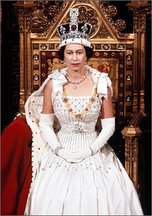 ELIZABETH REGINA
The Royal Yacht Britannia
In Defence of Pomp
Coronation of Elizabeth II
Reserve Powers of the Crown
Her Majesty's Privy Council
Queen's Privy Council
Great Officers of State
Queen's Golden Jubilee
Diamond Wedding Anniversary
Queen's Silver Jubilee
Trooping the Colour
ELIZABETH REGINA
The Royal Yacht Britannia
In Defence of Pomp
Coronation of Elizabeth II
Reserve Powers of the Crown
Her Majesty's Privy Council
Queen's Privy Council
Great Officers of State
Queen's Golden Jubilee
Diamond Wedding Anniversary
Queen's Silver Jubilee
Trooping the Colour
 Changing of the Guard
 Sovereign's Fleet Review
 Battle of Britain Memorial Flight
Accession Day (Feb 2)
Commonwealth Day (Mar 13)
Victoria Day (May 24)
Coronation Day (Jun 2)
Queen's Official B'day (Jun 6)
Remembrance Day (Nov 11)
Royal Xmas Message (Dec 25)
State Opening of Parliament
Sovereign's Ceremonial Mace
SPEECH FROM THE THRONE
GOD SAVE THE QUEEN (mp3)
Zadok The Priest (mp3)
Rule, Britannia! (mp3)
O'Canada (mp3)
Advance Australia Fair (mp3)
God Defend New Zealand (mp3)
Star Spangled Banner (mp3)
Jerusalem (mp3)
Scotland The Brave (mp3)
Maple Leaf Forever (mp3)
Land of Hope and Glory (mp3)
Waltzing Matilda (mp3)
HEART OF OAK (mp3)
Colonel Bogey March (mp3)
RAF/RCAF March Past (mp3)
Semper Fidelis (mp3)
Agincourt Carol (mp3)
Ode to Newfoundland (mp3)
Flower of Scotland (mp3)
There'll Always be an England (mp3)
Battle of Britain Memorial Flight
Accession Day (Feb 2)
Commonwealth Day (Mar 13)
Victoria Day (May 24)
Coronation Day (Jun 2)
Queen's Official B'day (Jun 6)
Remembrance Day (Nov 11)
Royal Xmas Message (Dec 25)
State Opening of Parliament
Sovereign's Ceremonial Mace
SPEECH FROM THE THRONE
GOD SAVE THE QUEEN (mp3)
Zadok The Priest (mp3)
Rule, Britannia! (mp3)
O'Canada (mp3)
Advance Australia Fair (mp3)
God Defend New Zealand (mp3)
Star Spangled Banner (mp3)
Jerusalem (mp3)
Scotland The Brave (mp3)
Maple Leaf Forever (mp3)
Land of Hope and Glory (mp3)
Waltzing Matilda (mp3)
HEART OF OAK (mp3)
Colonel Bogey March (mp3)
RAF/RCAF March Past (mp3)
Semper Fidelis (mp3)
Agincourt Carol (mp3)
Ode to Newfoundland (mp3)
Flower of Scotland (mp3)
There'll Always be an England (mp3)
 I Wish I Was in Dixie (mp3)
I Vow to Thee, My Country (mp3)
Scots Wha Hae (mp3)
God Bless America (mp3)
The Roast Beef of Old England (mp3)
It's a Long Way to Tipperary (mp3)
Anthem 4 England
O Valiant Hearts (mp3)
BUCKINGHAM PALACE
England's Windsor Castle
Canada's Rideau Hall
Australia's Yarralumla
Scotland's Holyroodhouse
Sandringham House
Frogmore House
Kensington Palace
Clarence House
St. James's Palace
Balmoral Castle
A Castle Fit For a King
Lord Chamberlain
Private Secretary
Keeper of the Privy Purse
Queen's Comptroller
Master of the Horse
Crown Equerry
Director, Royal Collection
Master of the Household
Lord Steward
Royal Almonry
Marshall of the Diplomatic Corps
Central Chancery
Ecclesiastical Household
Medical Household
Lord High Constable of Scotland
The Master of the Household
The Keeper of Holyroodhouse
The Armour-Bearer
The Bearer of the Royal Banner
The Bearer of the National Flag
Lord Justice General
Great Steward of Scotland
I Wish I Was in Dixie (mp3)
I Vow to Thee, My Country (mp3)
Scots Wha Hae (mp3)
God Bless America (mp3)
The Roast Beef of Old England (mp3)
It's a Long Way to Tipperary (mp3)
Anthem 4 England
O Valiant Hearts (mp3)
BUCKINGHAM PALACE
England's Windsor Castle
Canada's Rideau Hall
Australia's Yarralumla
Scotland's Holyroodhouse
Sandringham House
Frogmore House
Kensington Palace
Clarence House
St. James's Palace
Balmoral Castle
A Castle Fit For a King
Lord Chamberlain
Private Secretary
Keeper of the Privy Purse
Queen's Comptroller
Master of the Horse
Crown Equerry
Director, Royal Collection
Master of the Household
Lord Steward
Royal Almonry
Marshall of the Diplomatic Corps
Central Chancery
Ecclesiastical Household
Medical Household
Lord High Constable of Scotland
The Master of the Household
The Keeper of Holyroodhouse
The Armour-Bearer
The Bearer of the Royal Banner
The Bearer of the National Flag
Lord Justice General
Great Steward of Scotland
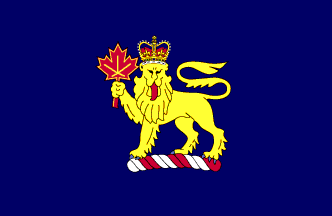 Governor-General of Canada
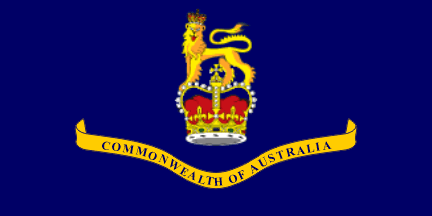 Governor-General of Australia
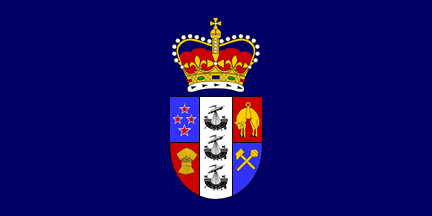 Governor-General of NZ
 Governor-General of Jamaica
 Governor-General of Barbados
 Governor-General Bahamas
 Governor-General of Grenada
 G-G of Papua New Guinea
 G-G of the Solomon Islands
 Governor-General of Tuvalu
 Governor-General of St.Lucia
 G-G of St.Vincent Grenadines
 G-G of Antigua and Barbuda
 Governor-General of Belize
 G-G of St.Kitts and Nevis
 Lieut.Gov. of British Columbia
 Lieutenant-Governor of Alberta
 Lieut.Gov. of Saskatchewan
 Lieut.Gov. of Manitoba
 Lieutenant-Governor of Ontario
 Lieutenant-Governor of Quebec
 Lieut.Gov. of New Brunswick
 Lieutenant-Governor of PEI
 Lieut.Gov. of Newfoundland
 Lieut.Gov. of Nova Scotia
 Governor of Queensland
 Governor of South Australia
 Governor of Victoria
 Return the (NSW) Governor!
 Governor of Tasmania
 Governor of Western Australia
Lord High Steward (1154)
Lord High Chancellor (1068) (*)
Lord High Treasurer (1126) (*)
Lord President Council (1530)(*)
Lord Privy Seal (1307)(*)
Lord Great Chamberlain (1133)
Lord High Constable (1139)
Earl Marshall (1135) (*)
Lord High Admiral (1413)
Keeper of the Great Seal
Keeper of the Privy Seal
Lord Clerk Register
Lord Advocate
Lord Justice Clerk
Lord Justice General
Lord Lyon King of Arms
The Great Chamberlain
Lord High Constable of Scotland
Earl Marischal
Lord High Admiral of Scotland
The Knight Marischal
Lord Lyon King of Arms
Governor of Western Australia
Lord High Steward (1154)
Lord High Chancellor (1068) (*)
Lord High Treasurer (1126) (*)
Lord President Council (1530)(*)
Lord Privy Seal (1307)(*)
Lord Great Chamberlain (1133)
Lord High Constable (1139)
Earl Marshall (1135) (*)
Lord High Admiral (1413)
Keeper of the Great Seal
Keeper of the Privy Seal
Lord Clerk Register
Lord Advocate
Lord Justice Clerk
Lord Justice General
Lord Lyon King of Arms
The Great Chamberlain
Lord High Constable of Scotland
Earl Marischal
Lord High Admiral of Scotland
The Knight Marischal
Lord Lyon King of Arms
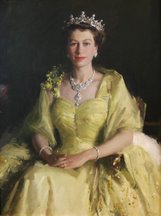 QUEEN AND THE LAW
At Her Majesty's Pleasure
The Queen's Peace
Justices of the Peace
King's Court (Curia Regis)
Her Majesty's Courts Service
Royal Courts of Justice
Magna Carta Society
Constitution Society
English Common Law
Unwritten Constitution
The Liberty Papers
British House of Lords
Supreme Court of Canada
High Court of Australia
High Court of New Zealand
King's Bench Prison
Queen's Bench Bar Assn.
Crown Attorney
Crown Prosecutor
Tower of London
The Old Bailey
MAGNA CARTA
Charter of Liberties (1100)
Constitution Clarendon (1164)
Assize of Clarendon (1166)
Assize of Arms (1181)
Magna Carta (1215)
Model Parliament (1265)
Right of Common Law (1297)
Acts of Supremacy (1534-59)
Petition of Right (1628)
The Levellers (1642)
Levellers' Manifesto (1649)
Habeas Corpus (1679)
"Glorious Revolution" (1688)
English Bill of Rights (1689)
Act of Settlement (1701)
Treaty (Acts) of Union (1707)
Decl. of Independence (1776)
U.S. Constitution (1789)
U.S. Bill of Rights (1791)
Act of Union (1800)
Reform Act (1832)
Treaty of Waitangi (1844)
B.N.A. Act (1867)
The English Constitution (1867)
Australian Constitution (1900)
Balfour Declaration (1926)
Statute of Westminster (1931)
Constitution Act (1982)
Charter of Rights (1982)
Const. of New Zealand (1986)
Constitution of the U.K.
QUEEN AND THE LAW
At Her Majesty's Pleasure
The Queen's Peace
Justices of the Peace
King's Court (Curia Regis)
Her Majesty's Courts Service
Royal Courts of Justice
Magna Carta Society
Constitution Society
English Common Law
Unwritten Constitution
The Liberty Papers
British House of Lords
Supreme Court of Canada
High Court of Australia
High Court of New Zealand
King's Bench Prison
Queen's Bench Bar Assn.
Crown Attorney
Crown Prosecutor
Tower of London
The Old Bailey
MAGNA CARTA
Charter of Liberties (1100)
Constitution Clarendon (1164)
Assize of Clarendon (1166)
Assize of Arms (1181)
Magna Carta (1215)
Model Parliament (1265)
Right of Common Law (1297)
Acts of Supremacy (1534-59)
Petition of Right (1628)
The Levellers (1642)
Levellers' Manifesto (1649)
Habeas Corpus (1679)
"Glorious Revolution" (1688)
English Bill of Rights (1689)
Act of Settlement (1701)
Treaty (Acts) of Union (1707)
Decl. of Independence (1776)
U.S. Constitution (1789)
U.S. Bill of Rights (1791)
Act of Union (1800)
Reform Act (1832)
Treaty of Waitangi (1844)
B.N.A. Act (1867)
The English Constitution (1867)
Australian Constitution (1900)
Balfour Declaration (1926)
Statute of Westminster (1931)
Constitution Act (1982)
Charter of Rights (1982)
Const. of New Zealand (1986)
Constitution of the U.K.
 QUEEN AND HONOUR
It's An Honour
Honour Our Best
New Zealand Honours
The UK Honours System
Directorate Hon. & Recognition
Society of the Cincinnati
Australian Bravery Association
From Honours to Merit Badges
Testaments of Honour
Orders and Medals Society
VICTORIA CROSS
QUEEN AND HONOUR
It's An Honour
Honour Our Best
New Zealand Honours
The UK Honours System
Directorate Hon. & Recognition
Society of the Cincinnati
Australian Bravery Association
From Honours to Merit Badges
Testaments of Honour
Orders and Medals Society
VICTORIA CROSS
 For Valour: The Monarchist
Canadian Victoria Cross
Anzac Victoria Cross
The Victoria Cross Society
History of the Victoria Cross
Canadian Recipients of the VC
Australian Winners of the VC
New Zealand Recipients
Victoria Cross at Sea
Imperial War Museum VCs
The VC at 150 (1856-2006)
Victoria Cross Heroes
BRITISH MEDALS
The Victoria Cross
Canadian Victoria Cross
New Zealand Cross (Civilian)
George Cross (Civilian)
Cross of Valour (Civilian)
Cross of Valour (Civilian)
Conspicuous Gallantry Cross
Star of Military Valour
Distinguished Service Cross
Distinguished Service Cross
Military Cross
Distinguished Flying Cross
Star of Courage (Civilian)
Star of Courage (Civilian)
Medal of Military Valour
New Zealand Cross (Civilian)
Meritorious Service Cross
Medal of Bravery
The Sacrifice Medal
KNIGHTS AND CHIVALRY
Military Knights of Windsor
Noble Order of the Garter
Ancient Order of the Thistle
Illustrious Order of St. Patrick
The Order of Canada
The Order of Australia
The Order of New Zealand
Honourable Order of the Bath
The Order of Merit
Order of St. Michael & St. George
Royal Victorian Order
Order of the British Empire
Order of Australia Association
Distinguished Service Order
Order of Military Merit
Merit of the Police Forces
Companions of Honour
For Valour: The Monarchist
Canadian Victoria Cross
Anzac Victoria Cross
The Victoria Cross Society
History of the Victoria Cross
Canadian Recipients of the VC
Australian Winners of the VC
New Zealand Recipients
Victoria Cross at Sea
Imperial War Museum VCs
The VC at 150 (1856-2006)
Victoria Cross Heroes
BRITISH MEDALS
The Victoria Cross
Canadian Victoria Cross
New Zealand Cross (Civilian)
George Cross (Civilian)
Cross of Valour (Civilian)
Cross of Valour (Civilian)
Conspicuous Gallantry Cross
Star of Military Valour
Distinguished Service Cross
Distinguished Service Cross
Military Cross
Distinguished Flying Cross
Star of Courage (Civilian)
Star of Courage (Civilian)
Medal of Military Valour
New Zealand Cross (Civilian)
Meritorious Service Cross
Medal of Bravery
The Sacrifice Medal
KNIGHTS AND CHIVALRY
Military Knights of Windsor
Noble Order of the Garter
Ancient Order of the Thistle
Illustrious Order of St. Patrick
The Order of Canada
The Order of Australia
The Order of New Zealand
Honourable Order of the Bath
The Order of Merit
Order of St. Michael & St. George
Royal Victorian Order
Order of the British Empire
Order of Australia Association
Distinguished Service Order
Order of Military Merit
Merit of the Police Forces
Companions of Honour
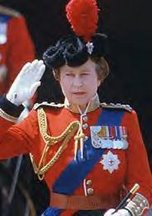 QUEEN AND ARMED FORCES
Land Forces of the Empire
The British Army
HM Canadian Armed Forces
The Australian Army
The New Zealand Army
Royal Armouries
The Royal Air Force
Royal Australian Air Force
Royal New Zealand Air Force
THE ROYAL NAVY
My Royal Canadian Navy
Royal Australian Navy
Royal New Zealand Navy
Her Majesty's Canadian Navy
Her Majesty's Royal Marines
Royal Canadian Mounted Police
Digger History (ANZAC)
Wellington's Dispatches
REGIMENTS.ORG
QUEEN AND REGIMENT
Royal Horse Artillery
Royal Canadian Horse Artillery
Royal Armoured Corps
Royal CAN Armoured Corps
Royal AUS Armoured Corps
Royal NZ Armoured Corps
Royal Regiment of Artillery
Royal Regiment of CAN Artillery
Royal Regiment of AUS Artillery
Royal Regiment of NZ Artillery
Corps of Royal Engineers
Royal Canadian Engineers
Royal Corps of Signals
Royal Canadian Infantry Corps
Special Air Service (SAS)
Special Boat Service (SBS)
Canadian SAS Regiment (JTF2)
Australian SAS Regiment
QUEEN AND ARMED FORCES
Land Forces of the Empire
The British Army
HM Canadian Armed Forces
The Australian Army
The New Zealand Army
Royal Armouries
The Royal Air Force
Royal Australian Air Force
Royal New Zealand Air Force
THE ROYAL NAVY
My Royal Canadian Navy
Royal Australian Navy
Royal New Zealand Navy
Her Majesty's Canadian Navy
Her Majesty's Royal Marines
Royal Canadian Mounted Police
Digger History (ANZAC)
Wellington's Dispatches
REGIMENTS.ORG
QUEEN AND REGIMENT
Royal Horse Artillery
Royal Canadian Horse Artillery
Royal Armoured Corps
Royal CAN Armoured Corps
Royal AUS Armoured Corps
Royal NZ Armoured Corps
Royal Regiment of Artillery
Royal Regiment of CAN Artillery
Royal Regiment of AUS Artillery
Royal Regiment of NZ Artillery
Corps of Royal Engineers
Royal Canadian Engineers
Royal Corps of Signals
Royal Canadian Infantry Corps
Special Air Service (SAS)
Special Boat Service (SBS)
Canadian SAS Regiment (JTF2)
Australian SAS Regiment
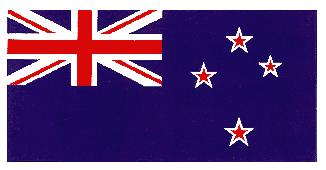 New Zealand SAS Regiment
1st Commando Regiment
4th Battalion, RAR
Special Operations Regiment
Special Reconnaissance Reg.
The Parachute Regiment
Her Majesty's Royal Marines
Royal Air Force Regiment
United States Marine Corps
Britannia Royal Naval College
Annapolis Naval Academy
Royal Naval College Greenwich
Royal Roads Military College
Royal Naval College Osborne
Sandhurst Military Academy
Royal Military College of Canada
Royal Military College Duntroon
West Point Military Academy
Virginia Military Institute
Royal Canadian Air Cadets
Royal Canadian Sea Cadet Corps
Navy League of Canada
The Old Eighteen
THE ROYAL TOURNAMENT
Edinburgh Military Tattoo
Royal Nova Scotia Tattoo
Royal International Air Tattoo
Canadian Military Tattoo
Australian Federation Tattoo
Virginia International Tattoo
Birmingham Military Tattoo
New Zealand SAS Regiment
1st Commando Regiment
4th Battalion, RAR
Special Operations Regiment
Special Reconnaissance Reg.
The Parachute Regiment
Her Majesty's Royal Marines
Royal Air Force Regiment
United States Marine Corps
Britannia Royal Naval College
Annapolis Naval Academy
Royal Naval College Greenwich
Royal Roads Military College
Royal Naval College Osborne
Sandhurst Military Academy
Royal Military College of Canada
Royal Military College Duntroon
West Point Military Academy
Virginia Military Institute
Royal Canadian Air Cadets
Royal Canadian Sea Cadet Corps
Navy League of Canada
The Old Eighteen
THE ROYAL TOURNAMENT
Edinburgh Military Tattoo
Royal Nova Scotia Tattoo
Royal International Air Tattoo
Canadian Military Tattoo
Australian Federation Tattoo
Virginia International Tattoo
Birmingham Military Tattoo
 Quebec City Military Tattoo
Windsor Castle Royal Tattoo
Quebec City Military Tattoo
Windsor Castle Royal Tattoo
 REMEMBRANCE DAY
War Graves Commission
British Ex-Services League
For King and Empire
REMEMBRANCE DAY
War Graves Commission
British Ex-Services League
For King and Empire
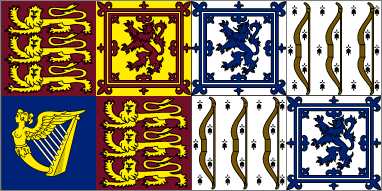 Queen's Book of the Red Cross
THE POPPY APPEAL
Royal British Legion
Royal British Legion Scotland
Royal Canadian Legion
Returned Services League
Returned Services Association
The American Legion
Land Forces of the Empire
Grand Army of the Republic
The Earl Haig Fund Scotland
Veterans Affairs Canada
Anzac Day Dawn Service
Western Front Association
Surviving WW1Veterans
O VALIANT HEARTS (mp3)
Menin Gate Memorial
The Verdun Memorial
National Vimy Memorial
Thiepval War Memorial
ANZAC War Memorial
The Unknown Warrior
Tomb of the Unknown Soldier
Tomb of the Unknown Warrior
The Cenotaph at Whitehall
Arlington National Cemetary
Tyne Cot War Graves Cemetary
Scottish War Memorial
Ireland War Memorial
Canadian War Memorial
Australian War Memorial
Nfld National War Memorial
New Zealand War Memorial
Shot at Dawn Memorial
Saint Julien Memorial
Shrine of Remembrance (*)
The Armed Forces Memorial
Douaumont Ossuary Verdun
National Memorial Arboretum
The Welsh Memorial
British Commando Memorial
Lewis War Memorial
Old City Hall Cenotaph
Ottawa Memorial
Korean War Memorial Wall
South African War Memorial
Vancouver Victory Square
The Hobart Cenotaph
Queen's Book of the Red Cross
THE POPPY APPEAL
Royal British Legion
Royal British Legion Scotland
Royal Canadian Legion
Returned Services League
Returned Services Association
The American Legion
Land Forces of the Empire
Grand Army of the Republic
The Earl Haig Fund Scotland
Veterans Affairs Canada
Anzac Day Dawn Service
Western Front Association
Surviving WW1Veterans
O VALIANT HEARTS (mp3)
Menin Gate Memorial
The Verdun Memorial
National Vimy Memorial
Thiepval War Memorial
ANZAC War Memorial
The Unknown Warrior
Tomb of the Unknown Soldier
Tomb of the Unknown Warrior
The Cenotaph at Whitehall
Arlington National Cemetary
Tyne Cot War Graves Cemetary
Scottish War Memorial
Ireland War Memorial
Canadian War Memorial
Australian War Memorial
Nfld National War Memorial
New Zealand War Memorial
Shot at Dawn Memorial
Saint Julien Memorial
Shrine of Remembrance (*)
The Armed Forces Memorial
Douaumont Ossuary Verdun
National Memorial Arboretum
The Welsh Memorial
British Commando Memorial
Lewis War Memorial
Old City Hall Cenotaph
Ottawa Memorial
Korean War Memorial Wall
South African War Memorial
Vancouver Victory Square
The Hobart Cenotaph
 Next of Kin Memorial Avenue
Auckland War Memorial
Saskatchewan Memorial Gates
Beaumont-Hamel Memorial
Notre Dame de Lorette
The Normandy Memorial
Groesbeek War Cemetery
Garden of Remembrance
The Hong Kong Cenotaph
Juno Beach Centre
Women of World War II
Peacekeeping Monument
LAST POST ASSOCIATION
Next of Kin Memorial Avenue
Auckland War Memorial
Saskatchewan Memorial Gates
Beaumont-Hamel Memorial
Notre Dame de Lorette
The Normandy Memorial
Groesbeek War Cemetery
Garden of Remembrance
The Hong Kong Cenotaph
Juno Beach Centre
Women of World War II
Peacekeeping Monument
LAST POST ASSOCIATION

 LORD HIGH ADMIRAL
First Lord of the Admiralty
The First Sea Lord
The Nelson Society
Nelson's Dispatches
The 1805 Club
Vice-Admiral United Kingdom
Rear-Admiral United Kingdom
Nelson and His Navy
THE ROYAL NAVY
Royal Canadian Navy
Royal Australian Navy
Royal New Zealand Navy
The Great White Fleet
Her Majesty's Canadian Navy
Her Majesty's Royal Marines
Britannia Royal Naval College
Annapolis Naval Academy
Royal Naval College Greenwich
Royal Roads Military College
Royal Naval College Osborne
Trafalgar 200th
Nelson's Victory
HMY BRITANNIA
Royal Yacht Squadron
The Royal Yacht Britannia
Royal Thames Yacht Club
Royal Canadian Yacht Club
Royal Sydney Yacht Squadron
Royal Nova Scotia Yacht Sqn.
Royal Cork Yacht Club
Royal Perth Yacht Club
Royal Ulster Yacht Club
The New York Yacht Club
Royal Brighton Yacht Club
Royal Irish Yacht Club
Royal Southampton Yacht Club
Royal Yacht Club of Tasmania
HMS VICTORY (com. 1778)
USS Constitution (com. 1797)
HMS Caroline (com. 1914)
HMS Invincible (R05)
HMS Illustrious (R06)
HMS Ark Royal (R07)
HMCS Protecteur (AOR509)
HMCS Preserver (AOR510)
HMAS Westralia (AO195)
HMAS Success (AOR304)
HMNZS Manawanui (A09)
HMNZS Endeavour (A11)
HMNZS Resolution (A14)
HMS Exeter (D89)
HMS Southampton (D90)
HMS Nottingham (D91)
HMS Liverpool (D92)
HMS Manchester (D95)
HMS Gloucester (D96)
HMS Edinburgh (D97)
HMS York (D98)
HMCS Iroquois (DDG280)
HMCS Huron (DDG281)
HMCS Athabascan (DDG282)
HMCS Algonquin (DDG283)
HMAS Adelaide (FFG01)
HMAS Sydney (FFG03)
HMAS Darwin (FFG04)
HMAS Melbourne (FFG05)
HMAS Newcastle (FFG06)
HMS Argyll (F231)
HMS Lancaster (F229)
HMS Iron Duke (F234)
HMS Monmouth (F235)
HMS Montrose (F236)
HMS Westminster (F237)
HMS Northumberland (F238)
HMS Richmond (F239)
HMS Somerset (F82)
HMS Sutherland (F81)
HMS Kent (F78)
HMS Portland (F79)
HMS St Albans (F83)
HMCS Halifax (FFH330)
HMCS Vancouver (FFH331)
HMCS Ville de Quebec (FFH332)
HMCS Toronto (FFH333)
HMCS Regina (FFH334)
HMCS Calgary (FFH335)
HMCS Montreal (FFH336)
HMCS Fredericton (FFH337)
HMCS Winnipeg (FFH338)
HMCS Charlottetown (FFH339)
HMCS St. John's (FFH340)
HMCS Ottawa (FFH341)
HMAS Anzac (FFH150)
HMAS Arunta (FFH151)
HMAS Warramunga (FFH152)
HMAS Stuart (FFH153)
HMAS Parramatta (FFH154)
HMAS Ballarat (FFH155)
HMAS Toowoomba (FFH156)
HMAS Perth (FFH157)
HMNZS Te Kaha (FFH77)
HMNZS Te Mana (FFH111)
HMS Cornwall (F99)
HMS Cumberland (F85)
HMS Campbeltown (F86)
HMS Chatham (F87)
HMS Vanguard (SSBN28)
HMS Victorious (SSBN29)
HMS Vigilant (SSBN30)
HMS Vengeance (SSBN31)
HMS Superb (SSN109)
HMS Sceptre (SSN104)
HMS Trafalgar (SSN107)
HMS Turbulent (SSN87)
HMS Tireless (SSN88)
HMS Torbay (SSN90)
HMS Trenchant (SSN91)
HMS Talent (SSN92)
HMS Triumph (SSN93)
HMCS Victoria (SSK876)
HMCS Windsor (SSK877)
HMCS Cornerbrook (SSK878)
HMCS Chicoutimi (SSK879)
HMAS Collins (SSG73)
HMAS Farncomb (SSG74)
HMAS Waller (SSG75)
HMAS Dechaineux (SSG76)
HMAS Sheean (SSG77)
HMAS Rankin (SSG78)
HMS Albion (L14)
HMS Bulwark (L15)
HMS Ocean (L12)
HMAS Kanimbla (L51)
HMAS Manoora (L52)
HMAS Tobruk (L50)
HMAS Balikpapan (L126)
HMAS Brunei (L127)
HMAS Labuan (L128)
HMAS Tarakan (L129)
HMAS Wewak (L130)
HMAS Betano (L133)
HMNZS Canterbury (L421)
LORD HIGH ADMIRAL
First Lord of the Admiralty
The First Sea Lord
The Nelson Society
Nelson's Dispatches
The 1805 Club
Vice-Admiral United Kingdom
Rear-Admiral United Kingdom
Nelson and His Navy
THE ROYAL NAVY
Royal Canadian Navy
Royal Australian Navy
Royal New Zealand Navy
The Great White Fleet
Her Majesty's Canadian Navy
Her Majesty's Royal Marines
Britannia Royal Naval College
Annapolis Naval Academy
Royal Naval College Greenwich
Royal Roads Military College
Royal Naval College Osborne
Trafalgar 200th
Nelson's Victory
HMY BRITANNIA
Royal Yacht Squadron
The Royal Yacht Britannia
Royal Thames Yacht Club
Royal Canadian Yacht Club
Royal Sydney Yacht Squadron
Royal Nova Scotia Yacht Sqn.
Royal Cork Yacht Club
Royal Perth Yacht Club
Royal Ulster Yacht Club
The New York Yacht Club
Royal Brighton Yacht Club
Royal Irish Yacht Club
Royal Southampton Yacht Club
Royal Yacht Club of Tasmania
HMS VICTORY (com. 1778)
USS Constitution (com. 1797)
HMS Caroline (com. 1914)
HMS Invincible (R05)
HMS Illustrious (R06)
HMS Ark Royal (R07)
HMCS Protecteur (AOR509)
HMCS Preserver (AOR510)
HMAS Westralia (AO195)
HMAS Success (AOR304)
HMNZS Manawanui (A09)
HMNZS Endeavour (A11)
HMNZS Resolution (A14)
HMS Exeter (D89)
HMS Southampton (D90)
HMS Nottingham (D91)
HMS Liverpool (D92)
HMS Manchester (D95)
HMS Gloucester (D96)
HMS Edinburgh (D97)
HMS York (D98)
HMCS Iroquois (DDG280)
HMCS Huron (DDG281)
HMCS Athabascan (DDG282)
HMCS Algonquin (DDG283)
HMAS Adelaide (FFG01)
HMAS Sydney (FFG03)
HMAS Darwin (FFG04)
HMAS Melbourne (FFG05)
HMAS Newcastle (FFG06)
HMS Argyll (F231)
HMS Lancaster (F229)
HMS Iron Duke (F234)
HMS Monmouth (F235)
HMS Montrose (F236)
HMS Westminster (F237)
HMS Northumberland (F238)
HMS Richmond (F239)
HMS Somerset (F82)
HMS Sutherland (F81)
HMS Kent (F78)
HMS Portland (F79)
HMS St Albans (F83)
HMCS Halifax (FFH330)
HMCS Vancouver (FFH331)
HMCS Ville de Quebec (FFH332)
HMCS Toronto (FFH333)
HMCS Regina (FFH334)
HMCS Calgary (FFH335)
HMCS Montreal (FFH336)
HMCS Fredericton (FFH337)
HMCS Winnipeg (FFH338)
HMCS Charlottetown (FFH339)
HMCS St. John's (FFH340)
HMCS Ottawa (FFH341)
HMAS Anzac (FFH150)
HMAS Arunta (FFH151)
HMAS Warramunga (FFH152)
HMAS Stuart (FFH153)
HMAS Parramatta (FFH154)
HMAS Ballarat (FFH155)
HMAS Toowoomba (FFH156)
HMAS Perth (FFH157)
HMNZS Te Kaha (FFH77)
HMNZS Te Mana (FFH111)
HMS Cornwall (F99)
HMS Cumberland (F85)
HMS Campbeltown (F86)
HMS Chatham (F87)
HMS Vanguard (SSBN28)
HMS Victorious (SSBN29)
HMS Vigilant (SSBN30)
HMS Vengeance (SSBN31)
HMS Superb (SSN109)
HMS Sceptre (SSN104)
HMS Trafalgar (SSN107)
HMS Turbulent (SSN87)
HMS Tireless (SSN88)
HMS Torbay (SSN90)
HMS Trenchant (SSN91)
HMS Talent (SSN92)
HMS Triumph (SSN93)
HMCS Victoria (SSK876)
HMCS Windsor (SSK877)
HMCS Cornerbrook (SSK878)
HMCS Chicoutimi (SSK879)
HMAS Collins (SSG73)
HMAS Farncomb (SSG74)
HMAS Waller (SSG75)
HMAS Dechaineux (SSG76)
HMAS Sheean (SSG77)
HMAS Rankin (SSG78)
HMS Albion (L14)
HMS Bulwark (L15)
HMS Ocean (L12)
HMAS Kanimbla (L51)
HMAS Manoora (L52)
HMAS Tobruk (L50)
HMAS Balikpapan (L126)
HMAS Brunei (L127)
HMAS Labuan (L128)
HMAS Tarakan (L129)
HMAS Wewak (L130)
HMAS Betano (L133)
HMNZS Canterbury (L421)
 HOUSEHOLD DIVISION
The King's Troops
The Life Guards
The Blues and Royals
The G-G's Horse Guards
Australia's Federation Guard
The Grenadier Guards
The Canadian Grenadier Guards
The Coldstream Guards
The Scots Guards
The Irish Guards
The Welsh Guards
The G-G's Foot Guards
HOUSEHOLD CAVALRY
The Life Guards
The Blues and Royals
The G-G's Horse Guards
Heavy Cavalry:
1st The Queen's Dragoon Guards
Royal Scots Dragoon Guards
Royal Dragoon Guards
Royal Canadian Dragoons
The British Columbia Dragoons
The Saskatchewan Dragoons
Light Cavalry:
Queen's Royal Hussars
Prince of Wales's Royal Lancers
King's Royal Hussars
Royal Canadian Hussars
The Light Dragoons
1st Hussars
The Sherbrooke Hussars
Princess Louise's Hussars
Lancer Regiments:
The Queen's Royal Lancers
Lord Strathcona's Horse
Hunter River Lancers
Royal New South Wales Lancers
Light Horse Regiments:
Queensland Mounted Infantry
Queen Alexandra's Mounted
South Australia Mounted Rifles
HOUSEHOLD DIVISION
The King's Troops
The Life Guards
The Blues and Royals
The G-G's Horse Guards
Australia's Federation Guard
The Grenadier Guards
The Canadian Grenadier Guards
The Coldstream Guards
The Scots Guards
The Irish Guards
The Welsh Guards
The G-G's Foot Guards
HOUSEHOLD CAVALRY
The Life Guards
The Blues and Royals
The G-G's Horse Guards
Heavy Cavalry:
1st The Queen's Dragoon Guards
Royal Scots Dragoon Guards
Royal Dragoon Guards
Royal Canadian Dragoons
The British Columbia Dragoons
The Saskatchewan Dragoons
Light Cavalry:
Queen's Royal Hussars
Prince of Wales's Royal Lancers
King's Royal Hussars
Royal Canadian Hussars
The Light Dragoons
1st Hussars
The Sherbrooke Hussars
Princess Louise's Hussars
Lancer Regiments:
The Queen's Royal Lancers
Lord Strathcona's Horse
Hunter River Lancers
Royal New South Wales Lancers
Light Horse Regiments:
Queensland Mounted Infantry
Queen Alexandra's Mounted
South Australia Mounted Rifles
 South Alberta Light Horse
Prince of Wales' Light Horse
The Light Horse Regiment
The Fort Garry Horse
Le Regiment blinde du Canada
Royal Tank Regiments:
1st Royal Tank Regiment
2nd Royal Tank Regiment
1st Armoured Regiment
2nd Cavalry Regiment
3rd/4th Cavalry Regiment
The Ontario Regiment
Queen's York Rangers
South Alberta Light Horse
Prince of Wales' Light Horse
The Light Horse Regiment
The Fort Garry Horse
Le Regiment blinde du Canada
Royal Tank Regiments:
1st Royal Tank Regiment
2nd Royal Tank Regiment
1st Armoured Regiment
2nd Cavalry Regiment
3rd/4th Cavalry Regiment
The Ontario Regiment
Queen's York Rangers
 Prince Edward Island Regiment
Duke of Connaught's Own
King's Own Calgary Regiment
Le Regiment de Hull
The Windsor Regiment
Prince Edward Island Regiment
Duke of Connaught's Own
King's Own Calgary Regiment
Le Regiment de Hull
The Windsor Regiment
 LANDED GENTRY
Duke of York (1986)
Duke of Edinburgh (1947)
Duke of Kent (1934)
Duke of Gloucester (1928)
Duke of Fife (1900)
Duke of Argyll (1892)
Duke of Gordon (1876)
Duke of Westminster (1874)
Duke of Abercorn (1868)
Duke of Sutherland (1833)
Duke of Wellington (1814)
Duke of Leinster (1766)
Duke of Northumberland (1766)
Duke of Manchester (1719)
Duke of Brandon (1711)
Duke of Montrose (1707)
Duke of Roxburghe (1707)
Duke of Atholl (1703)
Duke of Rutland (1703)
Duke of Marlborough (1702)
Duke of Argyll (1701)
Duke of Bedford (1694)
Duke of Devonshire (1694)
Duke of St Albans (1684)
Duke of Queensberry (1684)
Duke of Beaufort (1682)
Duke of Richmond (1675)
Duke of Grafton (1675)
Duke of Buccleuch (1663)
Duke of Hamilton (1643)
Duke of Lennox (1581)
Duke of Somerset (1547)
Duke of Norfolk (1483)
Duke of Rothesay (1398)
Duke of Cornwall (1337)
COUNTRY HOUSE
Guild of Professional Butlers
The National Trust
The National Trust for Scotland
Arundel Castle (Norfolk)
Edinburgh Castle
Hatley Castle (Dunsmuir)
Harewood House
Inveraray Castle (Argyll)
Castle Howard
CASA LOMA
Chatsworth House (Devonshire)
Glamis Castle (Strathmore)
Blenheim Palace (Marlborough)
Leeds Castle (Tudor)
Spencer House
Dundurn Castle
Longleat House (Bath)
Wollaton Hall
Hardwick Hall (Devonshire)
Hatfield House (Salisbury)
Burghley House
Craigdarroch Castle
Woburn Abbey
Warwick Castle
Wilton House
Beaulieu Abbey
Bowood House
Chiswick House
Holkham Hall
Lost Heritage
LANDED GENTRY
Duke of York (1986)
Duke of Edinburgh (1947)
Duke of Kent (1934)
Duke of Gloucester (1928)
Duke of Fife (1900)
Duke of Argyll (1892)
Duke of Gordon (1876)
Duke of Westminster (1874)
Duke of Abercorn (1868)
Duke of Sutherland (1833)
Duke of Wellington (1814)
Duke of Leinster (1766)
Duke of Northumberland (1766)
Duke of Manchester (1719)
Duke of Brandon (1711)
Duke of Montrose (1707)
Duke of Roxburghe (1707)
Duke of Atholl (1703)
Duke of Rutland (1703)
Duke of Marlborough (1702)
Duke of Argyll (1701)
Duke of Bedford (1694)
Duke of Devonshire (1694)
Duke of St Albans (1684)
Duke of Queensberry (1684)
Duke of Beaufort (1682)
Duke of Richmond (1675)
Duke of Grafton (1675)
Duke of Buccleuch (1663)
Duke of Hamilton (1643)
Duke of Lennox (1581)
Duke of Somerset (1547)
Duke of Norfolk (1483)
Duke of Rothesay (1398)
Duke of Cornwall (1337)
COUNTRY HOUSE
Guild of Professional Butlers
The National Trust
The National Trust for Scotland
Arundel Castle (Norfolk)
Edinburgh Castle
Hatley Castle (Dunsmuir)
Harewood House
Inveraray Castle (Argyll)
Castle Howard
CASA LOMA
Chatsworth House (Devonshire)
Glamis Castle (Strathmore)
Blenheim Palace (Marlborough)
Leeds Castle (Tudor)
Spencer House
Dundurn Castle
Longleat House (Bath)
Wollaton Hall
Hardwick Hall (Devonshire)
Hatfield House (Salisbury)
Burghley House
Craigdarroch Castle
Woburn Abbey
Warwick Castle
Wilton House
Beaulieu Abbey
Bowood House
Chiswick House
Holkham Hall
Lost Heritage
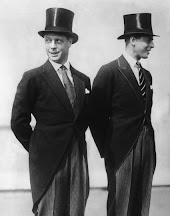 SAVILE ROW
Companions of Savile Row
Savile Row Style Magazine
SAVILE ROW
Companions of Savile Row
Savile Row Style Magazine
 Gieves & Hawkes ...Military
Ede & Ravenscroft ...Robes
J. Barbour & Sons ...Tweeds
James Lock ...Hatters
Fulton Umbrellas ...Umbrellas
Anello & Davide ...Shoes
SPINK (est. 1666) ...Collectors
Beau Brummell
Dandyism.Net
Lord Whimsy
IL DANDY
The Dandy
Dege & Skinner ...Tailors
Henry Poole ...Livery
Kinloch Anderson ...Hosiery
The Walpole ...Luxury
The Burgon Society
Savile Row Bespoke
GENTLEMEN'S CLUB (*)
White's/Brooks's/Boodle's
The Handlebar Club
The Rideau Club
Boisdale Jazz & Cigar Club
Oxford and Cambridge Club
Leander Rowing Club
Yale Club of New York
Harvard Club of New York
Princeton Club of New York
The Garrick Club
The Australian Club
Athenaeum Club
The National Club
The Carlton Club
The Commonwealth Club
The Bullingdon Club
Conservative Monday Club
The Albany Club
Union Jack Club
Victory Services Club
Royal Air Force Club
The Caledonian Club
Naval and Military Club
Naval and Military Club
Cavalry and Guards Club
The Union Club
The Commonwealth Club
The Savage Club
The California Club
The Weld Club
The Reform Club
Royal Military Colleges Club
Gieves & Hawkes ...Military
Ede & Ravenscroft ...Robes
J. Barbour & Sons ...Tweeds
James Lock ...Hatters
Fulton Umbrellas ...Umbrellas
Anello & Davide ...Shoes
SPINK (est. 1666) ...Collectors
Beau Brummell
Dandyism.Net
Lord Whimsy
IL DANDY
The Dandy
Dege & Skinner ...Tailors
Henry Poole ...Livery
Kinloch Anderson ...Hosiery
The Walpole ...Luxury
The Burgon Society
Savile Row Bespoke
GENTLEMEN'S CLUB (*)
White's/Brooks's/Boodle's
The Handlebar Club
The Rideau Club
Boisdale Jazz & Cigar Club
Oxford and Cambridge Club
Leander Rowing Club
Yale Club of New York
Harvard Club of New York
Princeton Club of New York
The Garrick Club
The Australian Club
Athenaeum Club
The National Club
The Carlton Club
The Commonwealth Club
The Bullingdon Club
Conservative Monday Club
The Albany Club
Union Jack Club
Victory Services Club
Royal Air Force Club
The Caledonian Club
Naval and Military Club
Naval and Military Club
Cavalry and Guards Club
The Union Club
The Commonwealth Club
The Savage Club
The California Club
The Weld Club
The Reform Club
Royal Military Colleges Club
 LANDED GENTRY
Fox Hunting
Countryside Alliance
Scottish Countryside Alliance
Countryside Alliance Ireland
Masters of Foxhounds U.K.
Masters of Foxhounds N.A.
Masters of Harriers and Beagles
The Montreal Hunt Club (*)
Hunting and Conservation
Guards Polo Club
LANDED GENTRY
Fox Hunting
Countryside Alliance
Scottish Countryside Alliance
Countryside Alliance Ireland
Masters of Foxhounds U.K.
Masters of Foxhounds N.A.
Masters of Harriers and Beagles
The Montreal Hunt Club (*)
Hunting and Conservation
Guards Polo Club
 Calcutta Polo Club
The Hurlingham Club
Hurlingham Polo Association
Prince of Wales Stakes
Queen's Plate
ROYAL ASCOT
Henley Royal Regatta
THE BOAT RACE
Oxford and Cambridge Cup
Henley Boat Races
THE PUBLIC HOUSE (1) (2)
The Royal Standard
The Queen Victoria
Old King's Head
The King's Arms
The Rose and Crown
The George and Dragon
James Joyce Pub
THE RED LION
O'Neills Irish Pub
The Marquis of Granby
The Duke of Cambridge
The Duke of Richmond
The Duke of Wellington
The Brunswick Inn
The Earl of Derby
The Elephant and Castle
The Bull and Bush
Dew Drop Inn ("do drop in")
The Goat and Compass
The Cat and Fiddle
The Cock and Bull
The Bag o'Nails
The Anglesea Arms
The Fox and Hounds
The Innholders' Company
The Moon Under Water
Calcutta Polo Club
The Hurlingham Club
Hurlingham Polo Association
Prince of Wales Stakes
Queen's Plate
ROYAL ASCOT
Henley Royal Regatta
THE BOAT RACE
Oxford and Cambridge Cup
Henley Boat Races
THE PUBLIC HOUSE (1) (2)
The Royal Standard
The Queen Victoria
Old King's Head
The King's Arms
The Rose and Crown
The George and Dragon
James Joyce Pub
THE RED LION
O'Neills Irish Pub
The Marquis of Granby
The Duke of Cambridge
The Duke of Richmond
The Duke of Wellington
The Brunswick Inn
The Earl of Derby
The Elephant and Castle
The Bull and Bush
Dew Drop Inn ("do drop in")
The Goat and Compass
The Cat and Fiddle
The Cock and Bull
The Bag o'Nails
The Anglesea Arms
The Fox and Hounds
The Innholders' Company
The Moon Under Water
 Brandy COGNAC Brandy
Thomas Hine Cognac
Hennessy Cognac
Brandy COGNAC Brandy
Thomas Hine Cognac
Hennessy Cognac
 Jerez SHERRY Xeres
 Porto PORT Oporto
GRAND MARNIER
Drambuie Scotch Liqueur
Armagnac
Anyone for Pimm's?
Dom Pérignon
Moët et Chandon
Pol Roger Champagne
Lanson Pére et Fils
Armand de Brignac
Laurent Perrier
Korbel California
Louis Roederer
Sovetskoye Shampanskoye
KRUG Champagne
GIN & TONIC
Ready to Tanqueray?
Bombay Sapphire
Boodle's British Gin
Gordon's Dry Gin
New Amsterdam Straight Gin
Hendrick's Gin
Broker's Gin
Juniper Green Organic Gin
London Beefeater Gin
BULLDOG
Johnnie Walker
CROWN ROYAL
"Gentleman Jack"
The Famous Grouse
Glenfiddich Single Malt
Canadian Club ...Queen Vicky's
Balvenie Single Malt
Wiser's Canadian Whisky
Chivas Regal Blended
Jim Beam Kentucky Bourbon
Cutty Sark Blended
Jack Daniel's Tennessee Whiskey
Drambuie Scotch Liqueur
John Dewar & Sons
Old Speckled Hen
Innis and Gunn (Oak Aged Beer)
Carlsberg
Alexander Keith's
Guinness Stout
India Pale Ale
Molson Canadian
Foster's Lager
Budweiser "King of Beers"
Campaign for Real Ale
Porto PORT Oporto
GRAND MARNIER
Drambuie Scotch Liqueur
Armagnac
Anyone for Pimm's?
Dom Pérignon
Moët et Chandon
Pol Roger Champagne
Lanson Pére et Fils
Armand de Brignac
Laurent Perrier
Korbel California
Louis Roederer
Sovetskoye Shampanskoye
KRUG Champagne
GIN & TONIC
Ready to Tanqueray?
Bombay Sapphire
Boodle's British Gin
Gordon's Dry Gin
New Amsterdam Straight Gin
Hendrick's Gin
Broker's Gin
Juniper Green Organic Gin
London Beefeater Gin
BULLDOG
Johnnie Walker
CROWN ROYAL
"Gentleman Jack"
The Famous Grouse
Glenfiddich Single Malt
Canadian Club ...Queen Vicky's
Balvenie Single Malt
Wiser's Canadian Whisky
Chivas Regal Blended
Jim Beam Kentucky Bourbon
Cutty Sark Blended
Jack Daniel's Tennessee Whiskey
Drambuie Scotch Liqueur
John Dewar & Sons
Old Speckled Hen
Innis and Gunn (Oak Aged Beer)
Carlsberg
Alexander Keith's
Guinness Stout
India Pale Ale
Molson Canadian
Foster's Lager
Budweiser "King of Beers"
Campaign for Real Ale
 Romeo Y Julieta (Churchills)
Cohíba Cigars (Castros)
Hoyo de Monterrey
Montecristo Cigars
Partagás Cigars
Romeo Y Julieta (Churchills)
Cohíba Cigars (Castros)
Hoyo de Monterrey
Montecristo Cigars
Partagás Cigars
 "MY GOVERNMENT"
The Royal Prerogative
Her Majesty's Privy Council
Queen's Privy Council
Federal Executive Council
Executive Council of N.Z.
Her Majesty's Government
Westminster Cabinet
Rt. Hon. Prime Minister
Minister of the Crown
Her Majesty's Loyal Opposition
Her Majesty's Loyal Opposition
Order-in-Council
Chief Government Whip
Letters Patent
Petition of Right (1628)
The King-Byng Affair (1926)
The Dismissal of 1975
Dropping the Writ
QUEEN-IN-PARLIAMENT
Palace of Westminster
The Westminster System
Granting of Royal Assent
Act of Parliament
Parliamentary Privilege
Unparliamentary Language
Prorogation of Parliament
Anglo-Saxon Witenagemot (650)
The Model Parliament (1295)
U.K. Parliament (1801)
New Zealand Parliament (1852)
Parliament of Canada (1867)
Parliament of Australia (1901)
British House of Lords
Gentleman Usher of Black Rod
British House of Commons
Speaker of the House (1377)
Sergeant-at-Arms
Elect The Lords
For an English Parliament
Scottish Parliament
National Assembly for Wales
"MY GOVERNMENT"
The Royal Prerogative
Her Majesty's Privy Council
Queen's Privy Council
Federal Executive Council
Executive Council of N.Z.
Her Majesty's Government
Westminster Cabinet
Rt. Hon. Prime Minister
Minister of the Crown
Her Majesty's Loyal Opposition
Her Majesty's Loyal Opposition
Order-in-Council
Chief Government Whip
Letters Patent
Petition of Right (1628)
The King-Byng Affair (1926)
The Dismissal of 1975
Dropping the Writ
QUEEN-IN-PARLIAMENT
Palace of Westminster
The Westminster System
Granting of Royal Assent
Act of Parliament
Parliamentary Privilege
Unparliamentary Language
Prorogation of Parliament
Anglo-Saxon Witenagemot (650)
The Model Parliament (1295)
U.K. Parliament (1801)
New Zealand Parliament (1852)
Parliament of Canada (1867)
Parliament of Australia (1901)
British House of Lords
Gentleman Usher of Black Rod
British House of Commons
Speaker of the House (1377)
Sergeant-at-Arms
Elect The Lords
For an English Parliament
Scottish Parliament
National Assembly for Wales
 HANSARD
U.K. Hansard
CAN Hansard
AUS Hansard
NZ Hansard
Ireland Hansard
Wales Hansard
HANSARD
U.K. Hansard
CAN Hansard
AUS Hansard
NZ Hansard
Ireland Hansard
Wales Hansard
 Scotland Hansard
 Northern Ireland Hansard
Isle of Man Hansard
Jersey Hansard
British Columbia Hansard
Alberta Hansard
Northern Ireland Hansard
Isle of Man Hansard
Jersey Hansard
British Columbia Hansard
Alberta Hansard
 Manitoba Hansard
Saskatchewan Hansard
Manitoba Hansard
Saskatchewan Hansard
 New Brunswick Hansard
Quebec Hansard
Ontario Hansard
Nova Scotia Hansard
Prince Edward Island Hansard
Newfoundland Hansard
New Brunswick Hansard
Quebec Hansard
Ontario Hansard
Nova Scotia Hansard
Prince Edward Island Hansard
Newfoundland Hansard
 Yukon Hansard
 N.W.T. Hansard
 Nunavut Hansard
 Victoria Hansard
A.C.T. Hansard
Northern Territory Hansard
Victoria Hansard
A.C.T. Hansard
Northern Territory Hansard
 South Australia Hansard
 Queensland Hansard
 Tasmania Hansard
 Western Australia Hansard
New South Wales Hansard
THE TORY PARTY
The Radical Tory Manifesto
British Conservative Party
Conservative Party of Canada
Liberal Party of Australia
Australian National Party
National Party of New Zealand
English Democratic Party
Scottish Conservatives
Tory Wikipedia
Conservatism Wikipedia
The Rideau Club
The Carlton Club
Conservative Monday Club
The Blogging Tories
Opinion Dominion
Dark Blue Tory
The Princeton Tory
Tory Historian
Conservative History Group
The Queensland Tory Gazette
Toronto Tory
The Tory Act
Tory Heaven
RED TORY
The Tory Anarchist
Red Tory Glory
Deep Red Tory
Dred Tory
British Whig Party
WHIGGISH RABBLE
American Whig Party
British Labour Party
Liberal Party of Canada
Australian Labor Party
Labour Party of New Zealand
Scottish Labour Party
Liberal Democrats
New Democratic Party
The Whig
The Whigs
Old Whig's Brain Dump
Dead King Watch
Thomas Paine's Corner
Prince of Darkness
An Irish Whig
Progressive Bloggers
The Fabian Society
Whiggishness
Whig History
Radical Whigs
Elect The Lords
The Nickle Resolution
The Parliament Acts
Ian Hamilton (*)
George Galloway
Ted McWhinney
Tony Benn
Western Australia Hansard
New South Wales Hansard
THE TORY PARTY
The Radical Tory Manifesto
British Conservative Party
Conservative Party of Canada
Liberal Party of Australia
Australian National Party
National Party of New Zealand
English Democratic Party
Scottish Conservatives
Tory Wikipedia
Conservatism Wikipedia
The Rideau Club
The Carlton Club
Conservative Monday Club
The Blogging Tories
Opinion Dominion
Dark Blue Tory
The Princeton Tory
Tory Historian
Conservative History Group
The Queensland Tory Gazette
Toronto Tory
The Tory Act
Tory Heaven
RED TORY
The Tory Anarchist
Red Tory Glory
Deep Red Tory
Dred Tory
British Whig Party
WHIGGISH RABBLE
American Whig Party
British Labour Party
Liberal Party of Canada
Australian Labor Party
Labour Party of New Zealand
Scottish Labour Party
Liberal Democrats
New Democratic Party
The Whig
The Whigs
Old Whig's Brain Dump
Dead King Watch
Thomas Paine's Corner
Prince of Darkness
An Irish Whig
Progressive Bloggers
The Fabian Society
Whiggishness
Whig History
Radical Whigs
Elect The Lords
The Nickle Resolution
The Parliament Acts
Ian Hamilton (*)
George Galloway
Ted McWhinney
Tony Benn
 YES, PRIME MINISTER
 David Thompson (2008-)
Kevin Rudd (2007-)
David Thompson (2008-)
Kevin Rudd (2007-)
 Bruce Golding (2007-)
Gordon Brown (2007-)
Bruce Golding (2007-)
Gordon Brown (2007-)
 Hubert Ingraham (2007-)
Stephen Harper (2006-)
P. Simpson-Miller (2006-07)
Hubert Ingraham (2007-)
Stephen Harper (2006-)
P. Simpson-Miller (2006-07)
 Michael Somare (2002-)
Perry Christie (2002-07)
Paul Martin (2003-06)
Mekere Morauta (1999-2002)
Helen Clark (1999-)
Bill Skate (1997-99)
Tony Blair (1997-2007)
Jenny Shipley (1997-99)
John Howard (1996-2007)
Michael Somare (2002-)
Perry Christie (2002-07)
Paul Martin (2003-06)
Mekere Morauta (1999-2002)
Helen Clark (1999-)
Bill Skate (1997-99)
Tony Blair (1997-2007)
Jenny Shipley (1997-99)
John Howard (1996-2007)
 Keith Mitchell (1995-)
Julius Chan (1994-97)
Owen Arthur (1994-2008)
Jean Chretien (1993-2003)
Kim Campbell (1993)
Paias Wingti (1992-94)
Hubert Ingraham (1992-2002)
P.J. Patterson (1992-2006)
Paul Keating (1991-96)
Nicholas Brathwaite (1990-95)
Jim Bolger (1990-97)
John Major (1990-97)
Mike Moore (1990)
Geoffrey Palmer (1989-90)
Ben Jones (1989-90)
Michael Manley (1989-92)
Rabbie Namaliu (1988-92)
Paias Wingti (1985-88)
Brian Mulroney (1984-93)
Erskine Sandiford (1987-94)
Errol Barrow (1986-87)
Bernard St. John (1985-86)
David Lange (1984-89)
Herbert Blaize (1984-89)
John Turner (1984)
Nicholas Brathwaite (1983-84)
Bob Hawke (1983-91)
Michael Somare (1982-85)
Edward Seaga (1980-89)
Julius Chan (1980-82)
Pierre Trudeau (1980-84)
Margaret Thatcher (1979-90)
Joe Clark (1979-80)
Tom Adams (1976-85)
James Callaghan (1976-79)
Michael Somare (1975-80)
Robert Muldoon (1975-84)
Malcolm Fraser (1975-83)
Bill Rowling (1974-75)
Harold Wilson (1974-76)
Lynden Pindling (1973-92)
Gough Whitlam (1972-75)
Norman Kirk (1972-74)
Michael Manley (1972-80)
Jack Marshall (1972)
William McMahon (1971-72)
Edward Heath (1970-74)
John Gorton (1968-71)
Pierre Trudeau (1968-79)
Hugh Shearer (1967-72)
John McEwen (1967-68)
Errol Barrow (1966-76)
Harold Holt (1966-67)
Donald Sangster (1967)
Harold Wilson (1964-70)
Lester Pearson (1963-68)
Alec Douglas-Home (1963-64)
Alex Bustamante (1962-67)
Keith Holyoake (1957-72)
John Diefenbaker (1957-63)
Harold Macmillan (1957-63)
Walter Nash (1957-60)
Anthony Eden (1955-57)
Louis St. Laurent (1948-57)
Sidney Holland (1949-57)
Keith Mitchell (1995-)
Julius Chan (1994-97)
Owen Arthur (1994-2008)
Jean Chretien (1993-2003)
Kim Campbell (1993)
Paias Wingti (1992-94)
Hubert Ingraham (1992-2002)
P.J. Patterson (1992-2006)
Paul Keating (1991-96)
Nicholas Brathwaite (1990-95)
Jim Bolger (1990-97)
John Major (1990-97)
Mike Moore (1990)
Geoffrey Palmer (1989-90)
Ben Jones (1989-90)
Michael Manley (1989-92)
Rabbie Namaliu (1988-92)
Paias Wingti (1985-88)
Brian Mulroney (1984-93)
Erskine Sandiford (1987-94)
Errol Barrow (1986-87)
Bernard St. John (1985-86)
David Lange (1984-89)
Herbert Blaize (1984-89)
John Turner (1984)
Nicholas Brathwaite (1983-84)
Bob Hawke (1983-91)
Michael Somare (1982-85)
Edward Seaga (1980-89)
Julius Chan (1980-82)
Pierre Trudeau (1980-84)
Margaret Thatcher (1979-90)
Joe Clark (1979-80)
Tom Adams (1976-85)
James Callaghan (1976-79)
Michael Somare (1975-80)
Robert Muldoon (1975-84)
Malcolm Fraser (1975-83)
Bill Rowling (1974-75)
Harold Wilson (1974-76)
Lynden Pindling (1973-92)
Gough Whitlam (1972-75)
Norman Kirk (1972-74)
Michael Manley (1972-80)
Jack Marshall (1972)
William McMahon (1971-72)
Edward Heath (1970-74)
John Gorton (1968-71)
Pierre Trudeau (1968-79)
Hugh Shearer (1967-72)
John McEwen (1967-68)
Errol Barrow (1966-76)
Harold Holt (1966-67)
Donald Sangster (1967)
Harold Wilson (1964-70)
Lester Pearson (1963-68)
Alec Douglas-Home (1963-64)
Alex Bustamante (1962-67)
Keith Holyoake (1957-72)
John Diefenbaker (1957-63)
Harold Macmillan (1957-63)
Walter Nash (1957-60)
Anthony Eden (1955-57)
Louis St. Laurent (1948-57)
Sidney Holland (1949-57)
 Robert Menzies (1949-66)
Winston Churchill (1951-55)
RIGHT HONOURABLE
Winston Churchill (1951-55)
Ben Chifley (1945-49)
Frank Forde (1945)
Clement Attlee (1945-51)
John Curtin (1941-45)
Arthur Fadden (1941)
Winston Churchill (1940-45)
Peter Fraser (1940-49)
Robert Menzies (1939-41)
Earle Page (1939)
Neville Chamberlain (1937-40)
MacKenzie King (1935-48)
Michael Savage (1935-40)
Stanley Baldwin (1935-37)
Joseph Lyons (1932-39)
Richard Bennett (1930-35)
George Forbes (1930-35)
James Scullin (1929-32)
Ramsay MacDonald (1929-35)
Joseph Ward (1928-30)
MacKenzie King (1926-30)
Arthur Meighen (1926)
Gordon Coates (1925-28)
Francis Bell (1925)
Stanley Baldwin (1924-29)
Stanley Bruce (1923-29)
MacKenzie King (1921-26)
Andrew Bonar Law (1922-23)
Arthur Meighen (1920-21)
David Lloyd George (1916-22)
Billy Hughes (1915-23)
Andrew Fisher (1914-15)
Joseph Cook (1913-14)
William Massey (1912-25)
Thomas Mackenzie (1912)
Robert Borden (1911-20)
Andrew Fisher (1910-13)
Alfred Deakin (1909-10)
Herbert Asquith (1908-16)
Andrew Fisher (1908-09)
Joseph Ward (1906-12)
William Hall-Jones (1906)
Alfred Deakin (1905-08)
Campbell-Bannerman (1905-8)
George Reid (1904-05)
Chris Watson (1904)
Alfred Deakin (1903-04)
Arthur Balfour (1902-05)
Edmund Barton (1901-03)
Wilfred Laurier (1896-1911)
Charles Tupper (1896)
Marquess of Salisbury (1895-02)
Mackenzie Bowell (1894-96)
Earl of Rosebery (1894-95)
Richard Seddon (1893-1906)
John Thompson (1892-94)
William Gladstone (1892-94)
John Ballance (1891-93)
John Caldwell Abbott (1891-92)
Marq. of Salisbury (1886-92)
William Gladstone (1886)
Marquess of Salisbury (1885-86)
Robert Stout (1884-87)
Frederick Whitaker (1882-83)
John Hall (1879-82)
John A. MacDonald (1878-91)
George Edward Grey (1877-79)
Julius Vogel (1876)
Daniel Pollen (1875-76)
William Gladstone (1880-85)
Benjamin Disraeli (1874-80)
Julius Vogel (1873-75)
Alexander Mackenzie (1873-78)
George Waterhouse (1872-73)
William Fox (1869-72)
William Gladstone (1868-74)
Benjamin Disraeli (1868)
John A. MacDonald (1867-73)
Earl of Derby (1866-68)
Edward Stafford (1865-69)
Earl Russell (1865-66)
Frederick Weld (1864-65)
Frederick Whitaker (1863-64)
Alfred Domett (1862-63)
William Fox (1861-62)
Viscount Palmerston (1859-65)
Earl of Derby (1858-59)
Edward Stafford (1856-61)
Henry Sewell (1856)
Viscount Palmerston (1855-58)
Earl of Aberdeen (1852-55)
Earl of Derby (1852)
Earl Russell (1846-52)
Robert Peel (1841-46)
Viscount Melbourne (1835-41)
Robert Peel (1834-35)
Duke of Wellington (1834)
Earl Grey (1830-34)
Duke of Wellington (1828-30)
Viscount Goderich (1827-28)
George Canning (1827)
Earl of Liverpool (1812-27)
Spencer Perceval (1809-12)
Duke of Portland (1807-09)
Lord Grenville (1806-07)
William Pitt (1804-06)
Henry Addington (1801-04)
William Pitt (1783-1801)
Duke of Portland (1783)
Earl of Shelburne (1782-83)
Marquess of Rockingham (1782)
Lord North (1770-82)
Duke of Grafton (1768-70)
Earl of Chatham (1766-68)
Marq. of Rockingham (1765-66)
George Grenville (1763-65)
Earl of Bute (1762-63)
Duke of Newcastle (1757-62)
Duke of Devonshire (1756-57)
Duke of Newcastle (1754-56)
Henry Pelham (1743-54)
Earl of Wilmington (1742-43)
Robert Walpole (1721-42)
Robert Menzies (1949-66)
Winston Churchill (1951-55)
RIGHT HONOURABLE
Winston Churchill (1951-55)
Ben Chifley (1945-49)
Frank Forde (1945)
Clement Attlee (1945-51)
John Curtin (1941-45)
Arthur Fadden (1941)
Winston Churchill (1940-45)
Peter Fraser (1940-49)
Robert Menzies (1939-41)
Earle Page (1939)
Neville Chamberlain (1937-40)
MacKenzie King (1935-48)
Michael Savage (1935-40)
Stanley Baldwin (1935-37)
Joseph Lyons (1932-39)
Richard Bennett (1930-35)
George Forbes (1930-35)
James Scullin (1929-32)
Ramsay MacDonald (1929-35)
Joseph Ward (1928-30)
MacKenzie King (1926-30)
Arthur Meighen (1926)
Gordon Coates (1925-28)
Francis Bell (1925)
Stanley Baldwin (1924-29)
Stanley Bruce (1923-29)
MacKenzie King (1921-26)
Andrew Bonar Law (1922-23)
Arthur Meighen (1920-21)
David Lloyd George (1916-22)
Billy Hughes (1915-23)
Andrew Fisher (1914-15)
Joseph Cook (1913-14)
William Massey (1912-25)
Thomas Mackenzie (1912)
Robert Borden (1911-20)
Andrew Fisher (1910-13)
Alfred Deakin (1909-10)
Herbert Asquith (1908-16)
Andrew Fisher (1908-09)
Joseph Ward (1906-12)
William Hall-Jones (1906)
Alfred Deakin (1905-08)
Campbell-Bannerman (1905-8)
George Reid (1904-05)
Chris Watson (1904)
Alfred Deakin (1903-04)
Arthur Balfour (1902-05)
Edmund Barton (1901-03)
Wilfred Laurier (1896-1911)
Charles Tupper (1896)
Marquess of Salisbury (1895-02)
Mackenzie Bowell (1894-96)
Earl of Rosebery (1894-95)
Richard Seddon (1893-1906)
John Thompson (1892-94)
William Gladstone (1892-94)
John Ballance (1891-93)
John Caldwell Abbott (1891-92)
Marq. of Salisbury (1886-92)
William Gladstone (1886)
Marquess of Salisbury (1885-86)
Robert Stout (1884-87)
Frederick Whitaker (1882-83)
John Hall (1879-82)
John A. MacDonald (1878-91)
George Edward Grey (1877-79)
Julius Vogel (1876)
Daniel Pollen (1875-76)
William Gladstone (1880-85)
Benjamin Disraeli (1874-80)
Julius Vogel (1873-75)
Alexander Mackenzie (1873-78)
George Waterhouse (1872-73)
William Fox (1869-72)
William Gladstone (1868-74)
Benjamin Disraeli (1868)
John A. MacDonald (1867-73)
Earl of Derby (1866-68)
Edward Stafford (1865-69)
Earl Russell (1865-66)
Frederick Weld (1864-65)
Frederick Whitaker (1863-64)
Alfred Domett (1862-63)
William Fox (1861-62)
Viscount Palmerston (1859-65)
Earl of Derby (1858-59)
Edward Stafford (1856-61)
Henry Sewell (1856)
Viscount Palmerston (1855-58)
Earl of Aberdeen (1852-55)
Earl of Derby (1852)
Earl Russell (1846-52)
Robert Peel (1841-46)
Viscount Melbourne (1835-41)
Robert Peel (1834-35)
Duke of Wellington (1834)
Earl Grey (1830-34)
Duke of Wellington (1828-30)
Viscount Goderich (1827-28)
George Canning (1827)
Earl of Liverpool (1812-27)
Spencer Perceval (1809-12)
Duke of Portland (1807-09)
Lord Grenville (1806-07)
William Pitt (1804-06)
Henry Addington (1801-04)
William Pitt (1783-1801)
Duke of Portland (1783)
Earl of Shelburne (1782-83)
Marquess of Rockingham (1782)
Lord North (1770-82)
Duke of Grafton (1768-70)
Earl of Chatham (1766-68)
Marq. of Rockingham (1765-66)
George Grenville (1763-65)
Earl of Bute (1762-63)
Duke of Newcastle (1757-62)
Duke of Devonshire (1756-57)
Duke of Newcastle (1754-56)
Henry Pelham (1743-54)
Earl of Wilmington (1742-43)
Robert Walpole (1721-42)
 ROYAL CHARTER
Royal Art and Residences
Royal College of Art
Academy of the Humanities
The British Museum
University of Oxford
The Queen's College, Oxford
Queen's University
King's College, Cambridge
Queen's College, Cambridge
University of Cambridge
University of St. Andrews
College of William & Mary
Imperial War Museum
British Empire Museum
Royal British Columbia Museum
Royal Shakespeare Company
Royal Opera House
Royal Ontario Museum
Royal Tyrrell Museum
The Royal Winter Affair
Royal and Ancient
Royal Bank of Canada
Royal Bank of Scotland
Royal Botanic Gardens
The Royal Society
Royal Mail
Royal Society of Chemistry
The Royal Gazette
Royal Roads University
Royal Institute of Surveyors
Royal Horticultural Society
Royal Geographical Society
Royal Observatory, Greenwich
Royal Institute for the Blind
Royal Statistical Society
Mount Royal College
Royal Warrant
Royal Warrant Holder's Assn.
COLLEGE OF ARMS
Court of the Lord Lyon
Canadian Heraldic Authority
Heraldry Australia
Royal Heraldry Society Canada
The Heraldry Society
ALMANACH DE LA COUR
ONLINE GOTHA
Garter Principal King of Arms
Lord Lyon King of Arms
Clarenceux King of Arms
Norroy and Ulster King of Arms
Chief Herald of Canada
Heraldry Wikipedia
HERALDICA.ORG
Nobility and Royalty
History of the Monarchy
Britannia: Monarchs
English Monarchs
Scottish Monarchs
History of England
The Victorian Web
The Age of George III
Royal Stuart Society
The Stewart Society
Marquis of Montrose Society
The Jacobite Heritage
Northumbrian Jacobites
Northumbrian Jacobite Society
Oliver Cromwell Website
King Charles the Martyr
Gunpowder Plot Society
Parliament & Treason 1605
Tudor Place
The Elizabethan World
The Wars of the Roses
Richard III Society
Richard III Foundation
Richard III Society Canada
Richard III New Zealand
Richard III New South Wales
Richard III Yorkshire
Richard III Western Australia
Richard III Worcestershire
Richard III America
Richard III Society of Friends
Richard III Queensland
RICHARDIII.ORG
England's Medieval Festival
SHADOWED REALM
Early British Kingdoms
Knights of the Round Table
QUEEN'S ENGLISH SOCIETY
Anthology of English Literature
Cavalier Poets
The New Chaucer Society
Christopher Marlowe Society
William Shakespeare Society
John Milton Reading Room
Samuel Johnson Society
Johnson Society of London
Jonathan Swift Blog
The Jane Austen Society
The Churchill Society
G.K. Chesterton Society
Hilaire Belloc Society
Edmund Burke Society
The Kipling Society
Discovering Dickens
Charles Dickens Page
Dorothy L. Sayers Society
C.S. Lewis Foundation
C.S. Lewis: Into the Wardrobe
Gilbert and Sullivan Archive
Sir Edward Elgar Society
George Orwell's Works
ROYAL CHARTER
Royal Art and Residences
Royal College of Art
Academy of the Humanities
The British Museum
University of Oxford
The Queen's College, Oxford
Queen's University
King's College, Cambridge
Queen's College, Cambridge
University of Cambridge
University of St. Andrews
College of William & Mary
Imperial War Museum
British Empire Museum
Royal British Columbia Museum
Royal Shakespeare Company
Royal Opera House
Royal Ontario Museum
Royal Tyrrell Museum
The Royal Winter Affair
Royal and Ancient
Royal Bank of Canada
Royal Bank of Scotland
Royal Botanic Gardens
The Royal Society
Royal Mail
Royal Society of Chemistry
The Royal Gazette
Royal Roads University
Royal Institute of Surveyors
Royal Horticultural Society
Royal Geographical Society
Royal Observatory, Greenwich
Royal Institute for the Blind
Royal Statistical Society
Mount Royal College
Royal Warrant
Royal Warrant Holder's Assn.
COLLEGE OF ARMS
Court of the Lord Lyon
Canadian Heraldic Authority
Heraldry Australia
Royal Heraldry Society Canada
The Heraldry Society
ALMANACH DE LA COUR
ONLINE GOTHA
Garter Principal King of Arms
Lord Lyon King of Arms
Clarenceux King of Arms
Norroy and Ulster King of Arms
Chief Herald of Canada
Heraldry Wikipedia
HERALDICA.ORG
Nobility and Royalty
History of the Monarchy
Britannia: Monarchs
English Monarchs
Scottish Monarchs
History of England
The Victorian Web
The Age of George III
Royal Stuart Society
The Stewart Society
Marquis of Montrose Society
The Jacobite Heritage
Northumbrian Jacobites
Northumbrian Jacobite Society
Oliver Cromwell Website
King Charles the Martyr
Gunpowder Plot Society
Parliament & Treason 1605
Tudor Place
The Elizabethan World
The Wars of the Roses
Richard III Society
Richard III Foundation
Richard III Society Canada
Richard III New Zealand
Richard III New South Wales
Richard III Yorkshire
Richard III Western Australia
Richard III Worcestershire
Richard III America
Richard III Society of Friends
Richard III Queensland
RICHARDIII.ORG
England's Medieval Festival
SHADOWED REALM
Early British Kingdoms
Knights of the Round Table
QUEEN'S ENGLISH SOCIETY
Anthology of English Literature
Cavalier Poets
The New Chaucer Society
Christopher Marlowe Society
William Shakespeare Society
John Milton Reading Room
Samuel Johnson Society
Johnson Society of London
Jonathan Swift Blog
The Jane Austen Society
The Churchill Society
G.K. Chesterton Society
Hilaire Belloc Society
Edmund Burke Society
The Kipling Society
Discovering Dickens
Charles Dickens Page
Dorothy L. Sayers Society
C.S. Lewis Foundation
C.S. Lewis: Into the Wardrobe
Gilbert and Sullivan Archive
Sir Edward Elgar Society
George Orwell's Works
 ROYAL DIARY
Jan 26: Australia Day
Feb 2: Accession Day
Feb 6: Waitangi Day
Mar 1: St. David's Day
Mar 13: Commonwealth Day
Mar 17: St. Patrick's Day
Apr 9: Vimy Ridge Day
Apr 21: Queen's Birthday
Apr 23: St. George's Day
Apr 25: Anzac Day
May 24: Victoria Day
Jun 1: Glorious First of June
Jun 2: Coronation Day
Jun 6: Queen's Official B'day
Jun 18: Waterloo Day
Jul 1: Dominion Day
Jul 4: Independence Day
Aug 12: Glorious Twelfth
Oct 21: Trafalgar Day
Nov 5: Guy Fawkes Night
Nov 11: Remembrance Day
Nov 30: St. Andrew's Day
Dec 25: Royal Xmas Message
The Commonwealth Secretariat
Commonwealth Round Table
Round Table in Australia
Commonwealth Museum
War Graves Commission
Commonwealth of Learning
Royal Commonwealth Society
Commonwealth Universities
The Commonwealth Institute
Commonwealth Membership
Commonwealth Foundation
Commonwealth Human Rights
Parliamentary Association
Commonwealth Policy Studies
Commonwealth Press Union
Institute of Studies
Centre of Studies
Commonwealth Science Council
Commonwealth Games 2002
Council for Education
Local Government Forum
Business Council
Trade Union Council
Lawyers' Association
The Times Higher Education
Broadcasting Association
Games Federation
Commonwealth Institute
Commonwealth of Learning
Commonwealth Club
United Commonwealth Society
Royal Commonwealth Society
Commonwealth Union Institute
VICAR OF CHRIST
Pope Benedict XVI
The Vatican and Holy See
Anglo Catholic Central
Anglo Catholic Musings
The Roman Curia
THE ROMAN EMPIRE
Roman Catholic Church
Catholics Online
Anglican Catholic Church
King Charles the Martyr
Fraternity Blessed Sacrament
British Society of Mary
Our Lady Walsingham
Catholic Church in England
Keys of Peter.Org
The Walsingham Project
Defence of the Seven Sacraments
ROYAL DIARY
Jan 26: Australia Day
Feb 2: Accession Day
Feb 6: Waitangi Day
Mar 1: St. David's Day
Mar 13: Commonwealth Day
Mar 17: St. Patrick's Day
Apr 9: Vimy Ridge Day
Apr 21: Queen's Birthday
Apr 23: St. George's Day
Apr 25: Anzac Day
May 24: Victoria Day
Jun 1: Glorious First of June
Jun 2: Coronation Day
Jun 6: Queen's Official B'day
Jun 18: Waterloo Day
Jul 1: Dominion Day
Jul 4: Independence Day
Aug 12: Glorious Twelfth
Oct 21: Trafalgar Day
Nov 5: Guy Fawkes Night
Nov 11: Remembrance Day
Nov 30: St. Andrew's Day
Dec 25: Royal Xmas Message
The Commonwealth Secretariat
Commonwealth Round Table
Round Table in Australia
Commonwealth Museum
War Graves Commission
Commonwealth of Learning
Royal Commonwealth Society
Commonwealth Universities
The Commonwealth Institute
Commonwealth Membership
Commonwealth Foundation
Commonwealth Human Rights
Parliamentary Association
Commonwealth Policy Studies
Commonwealth Press Union
Institute of Studies
Centre of Studies
Commonwealth Science Council
Commonwealth Games 2002
Council for Education
Local Government Forum
Business Council
Trade Union Council
Lawyers' Association
The Times Higher Education
Broadcasting Association
Games Federation
Commonwealth Institute
Commonwealth of Learning
Commonwealth Club
United Commonwealth Society
Royal Commonwealth Society
Commonwealth Union Institute
VICAR OF CHRIST
Pope Benedict XVI
The Vatican and Holy See
Anglo Catholic Central
Anglo Catholic Musings
The Roman Curia
THE ROMAN EMPIRE
Roman Catholic Church
Catholics Online
Anglican Catholic Church
King Charles the Martyr
Fraternity Blessed Sacrament
British Society of Mary
Our Lady Walsingham
Catholic Church in England
Keys of Peter.Org
The Walsingham Project
Defence of the Seven Sacraments
 The Swedish Royal Court
 The Danish Monarchy
 The Norwegian Monarchy
 The Dutch Royal House
 The Belgian Monarchy
1915.jpg) Archduke Otto von Habsburg
Archduke Otto von Habsburg
 The Holy Roman Empire
Roman Catholic Monarchy
The Holy Roman Empire
Roman Catholic Monarchy
 The Royal Household of Spain
 The Empire of Brazil
 The Greek Royal Family
 The Royal Family of Serbia
 Hashemite Kingdom of Jordan
 Imperial Household of Japan
 Kingdom of Thailand
 Prince's Palace of Monaco
 Grand Duchy of Luxembourg
 Princely House of Liechtenstein
 Co-Principality of Andorra
Governor-General of Canada
Governor-General of Australia
Governor-General of NZ
Governor-General of Jamaica
Governor-General of Barbados
G-G of the Bahamas
Governor-General of Grenada
G-G of Papua New Guinea
Co-Principality of Andorra
Governor-General of Canada
Governor-General of Australia
Governor-General of NZ
Governor-General of Jamaica
Governor-General of Barbados
G-G of the Bahamas
Governor-General of Grenada
G-G of Papua New Guinea
 G-G of the Solomon Islands
 Governor-General of Tuvalu
 Governor-General of St.Lucia
 G-G of St.Vincent Grenadines
 G-G of Antigua and Barbuda
 Governor-General of Belize
 G-G of St.Kitts and Nevis
Governor-General of Canada
Lieut.Gov. of British Columbia
Lieutenant-Governor of Alberta
Lieut.Gov. of Saskatchewan
Lieut.Gov. of Manitoba
Lieutenant-Governor of Ontario
Lieutenant-Governor of Quebec
Lieut.Gov. of New Brunswick
Lieutenant-Governor of PEI
Lieut.Gov. of Nova Scotia
Lieut.Gov. of Newfoundland
Commissioner of the Yukon
Commissioner of the N.W.T.
Commissioner of Nunavut
Governor-General of Australia
Governor of South Australia
Governor of Queensland
Governor of Victoria
Return the (NSW) Governor!
Governor of Tasmania
Governor of Western Australia
G-G of St.Kitts and Nevis
Governor-General of Canada
Lieut.Gov. of British Columbia
Lieutenant-Governor of Alberta
Lieut.Gov. of Saskatchewan
Lieut.Gov. of Manitoba
Lieutenant-Governor of Ontario
Lieutenant-Governor of Quebec
Lieut.Gov. of New Brunswick
Lieutenant-Governor of PEI
Lieut.Gov. of Nova Scotia
Lieut.Gov. of Newfoundland
Commissioner of the Yukon
Commissioner of the N.W.T.
Commissioner of Nunavut
Governor-General of Australia
Governor of South Australia
Governor of Queensland
Governor of Victoria
Return the (NSW) Governor!
Governor of Tasmania
Governor of Western Australia
 Administrator of the N.T.


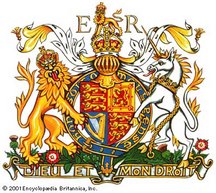

.gif)
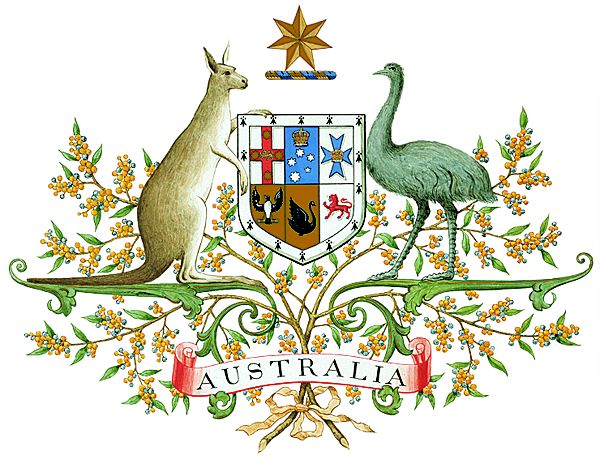
.gif)